 Разработка ПО
 Менеджмент
 Для компаний
 Для стартапов
 Архитектура ПО
In this video (see below), I show a real AI project where a voice agent answers ordinary phone calls through the telephone network, conducts a live dialogue, understands what the person is saying, captures the meaning of the conversation, and passes the result further into the system and Telegram. It is not just a pretty demo, but already a working custom technology: with an internal call control panel, conversation transcription, scenario logic, and quite serious potential for businesses, startups, service companies, and call center automation. Watch the video — it shows with a live example how this works in reality, how AI talks on the phone, and why such solutions can already replace a piece of routine communication today =)
Оглавление
- AI secretary for phone calls: a voice agent that answers through an ordinary telephone network
- What the client wanted
- How the system works
- What we did in the project
- Why this project is technically interesting
- Where this can be applied
- Why such projects cannot be done in a rush
- What is especially valuable for business
- What technologies and directions make sense to develop further here
- Who such a project is suitable for
- Conclusion
- What else to watch on the topic
AI secretary for phone calls: a voice agent that answers through an ordinary telephone network
This is not a toy from the category of let’s bolt on a neural network for the sake of the fashionable word AI. This is a real custom project where we made a digital secretary capable of taking ordinary phone calls, talking to people in a human voice, understanding the meaning of what is said, recording the result of the conversation, and sending reports to Telegram. Yes, no longer in theory, but in the field =)

The main idea of the project is simple and dangerous at the same time: if you correctly assemble SIP telephony, speech-to-text (speech recognition, that is, converting voice into text), LLM (a large language model, that is, the agent’s brain) and text-to-speech (speech synthesis, when text is turned back into voice), you get not a little chat, but a full-fledged voice interface for business.
What the client wanted
The client did not come for abstract artificial intelligence, but for a very down-to-earth thing: they needed a digital secretary, who would be able to answer incoming calls instead of a person, take messages, not lose the context of the conversation, and pass information to the owner.
In essence, this is a SaaS service where a user can create a personal voice assistant for the real telephone network. Not for a conference demonstration, not for a wow video, but for ordinary life and ordinary work calls. Someone calls your number, and instead of a missed call, they get a coherent dialogue, after which you see the summary in a Telegram bot.

How the system works
From the outside, everything looks simple: a person calls a number, the agent answers, asks clarifying questions, records who called and what needs to be passed on. But inside there is no magic, rather quite dense engineering.
- SIP-trunk connects the platform to the telephone network
- ASR module recognizes the caller’s speech into text
- LLM agent understands the context and chooses the response scenario
- TTS module voices the lines in a live voice
- Monitoring and logging save the dialogue, metrics, and call quality
- Integration with Telegram sends reports and notifications to the owner
In human terms, the system is arranged like a well-assembled orchestra: one musician listens, the second understands, the third speaks, and the fourth writes down who came to this concert at all and why =)
What we did in the project
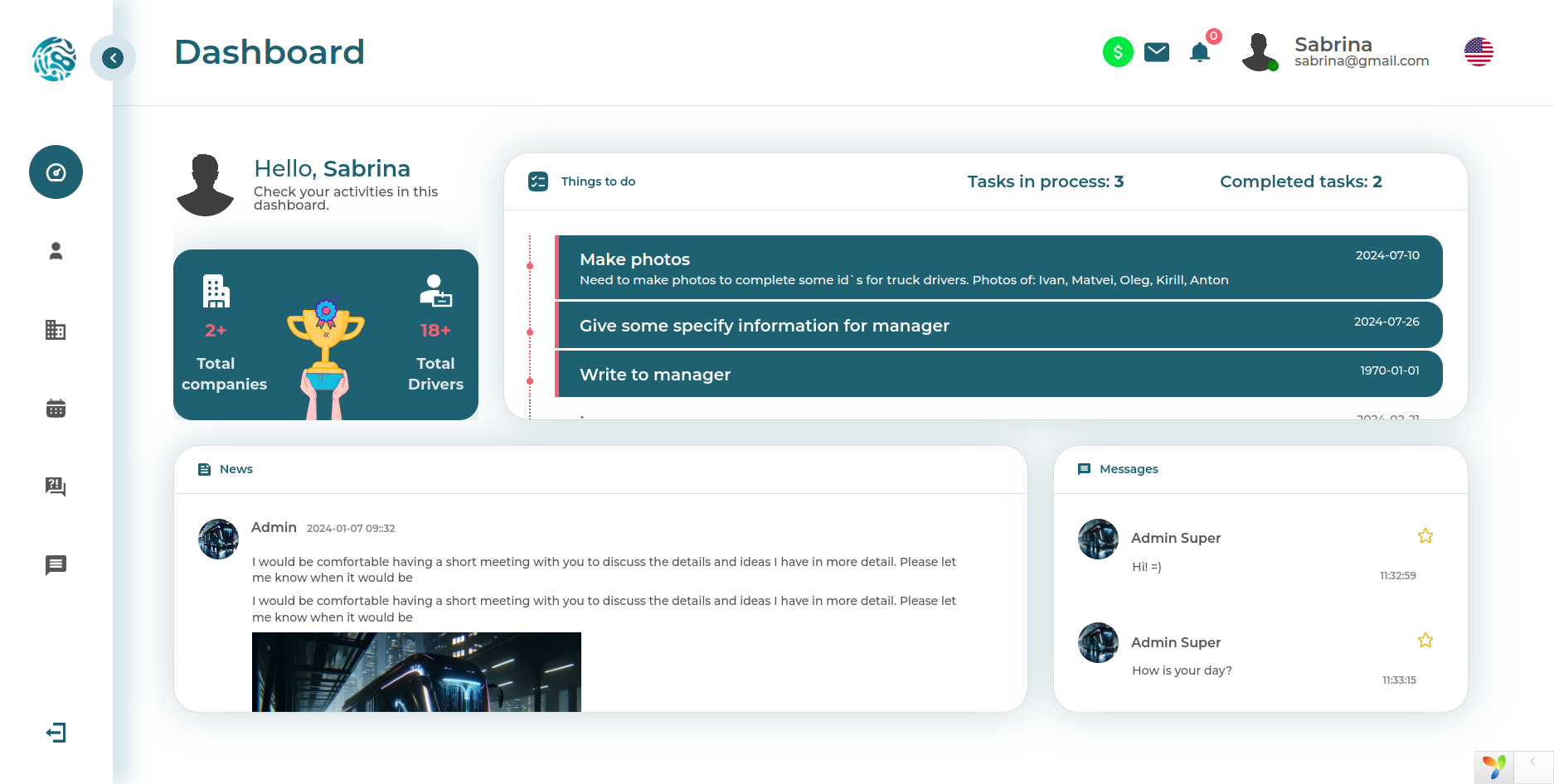
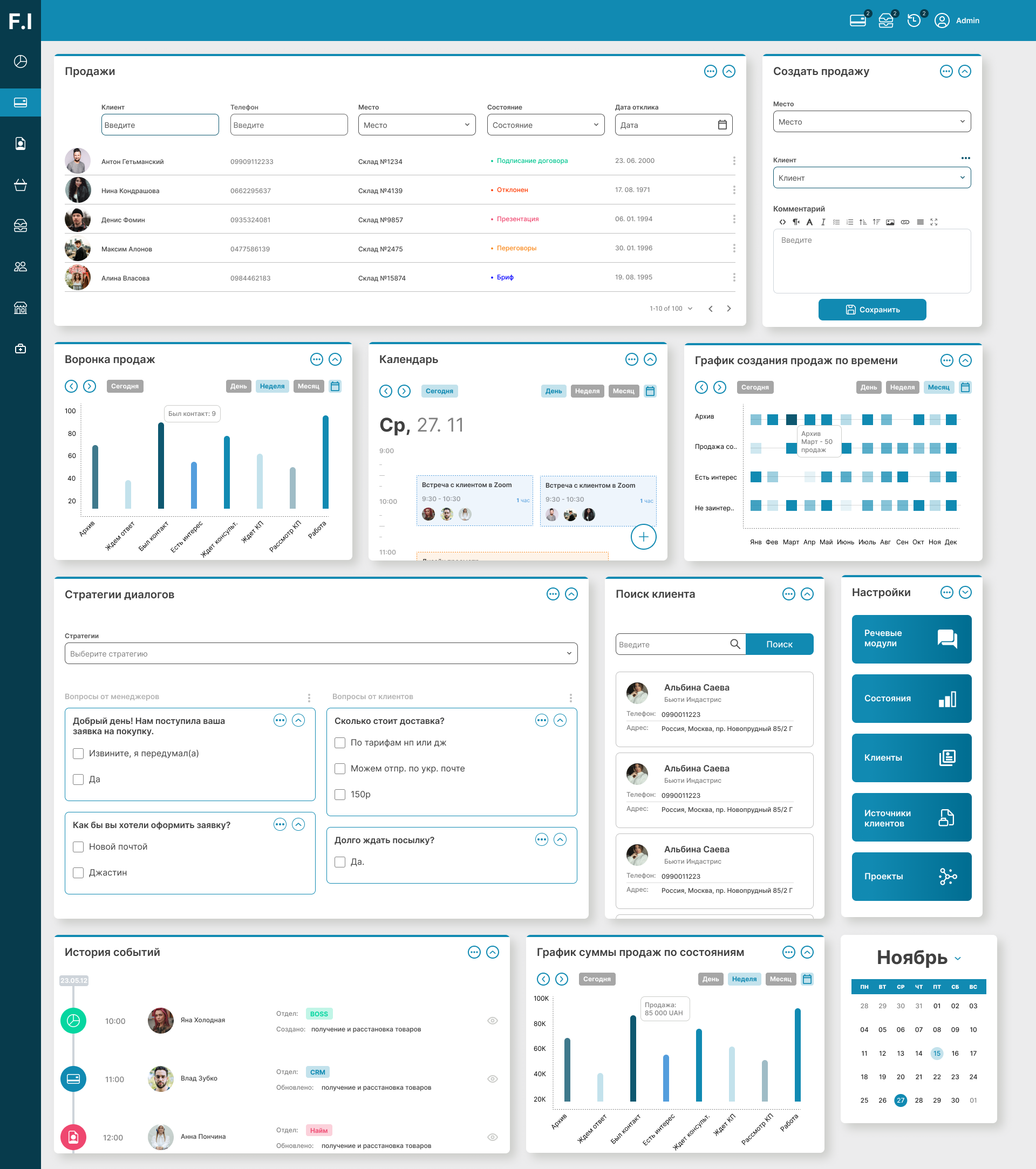
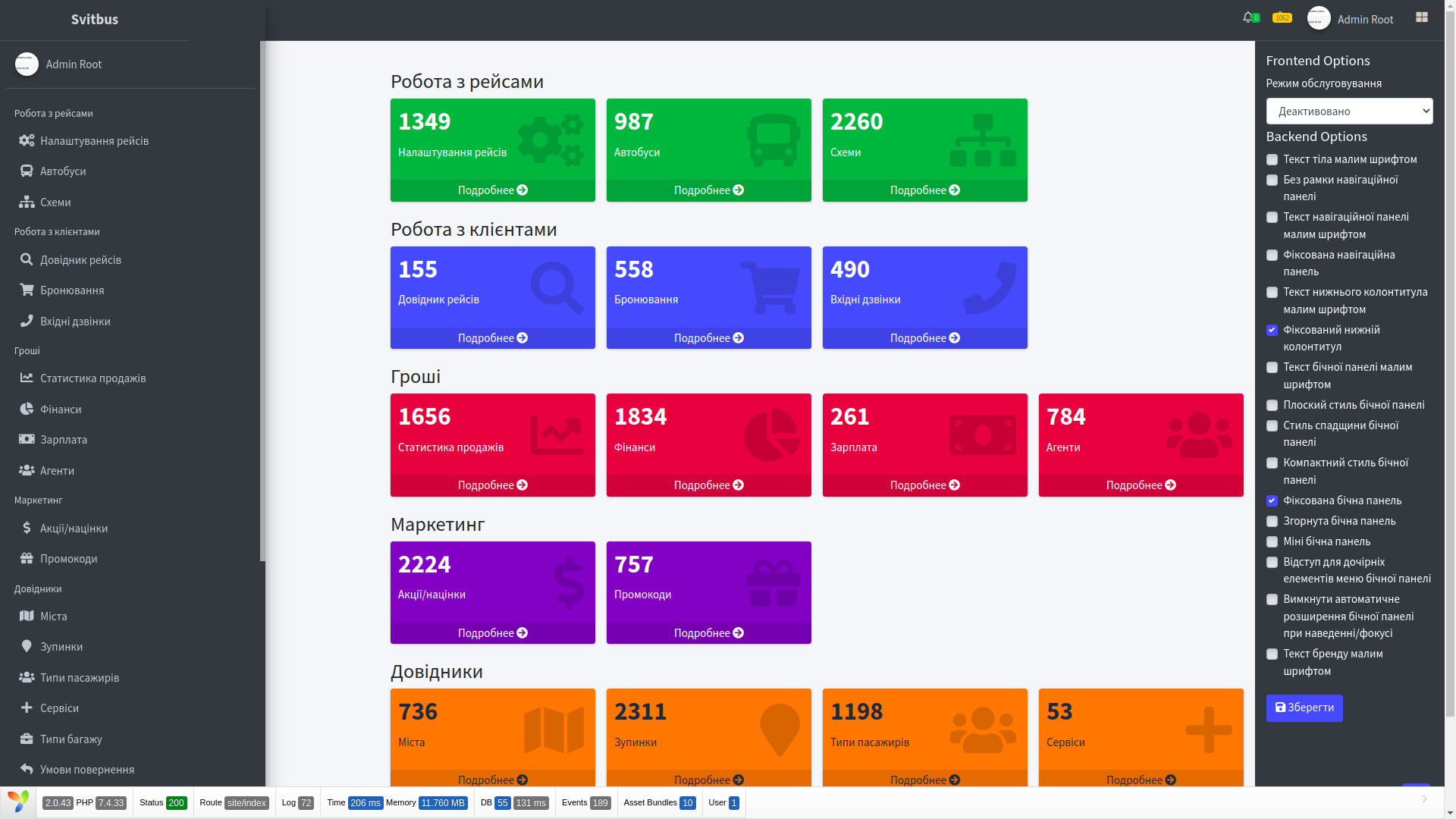
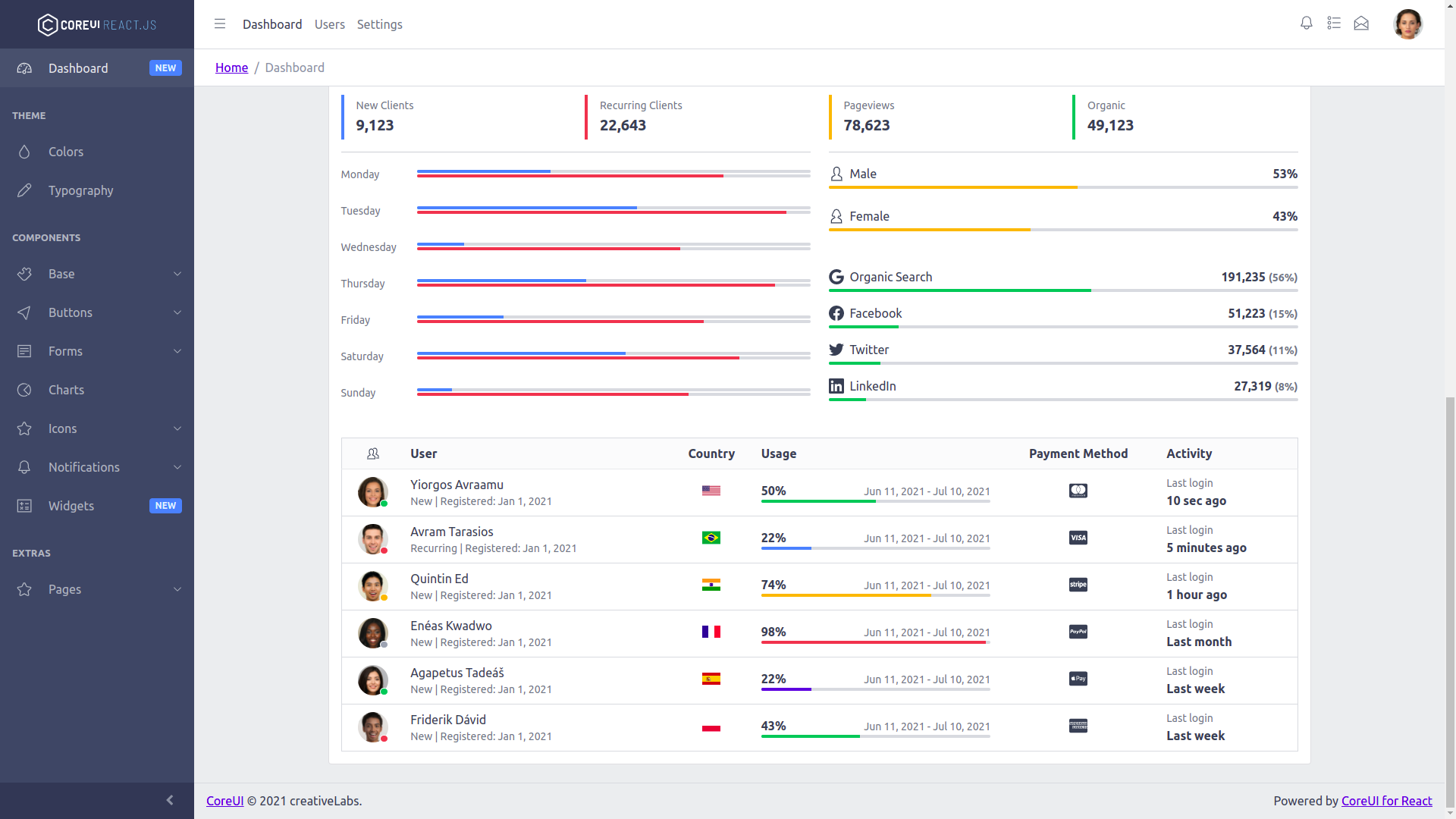
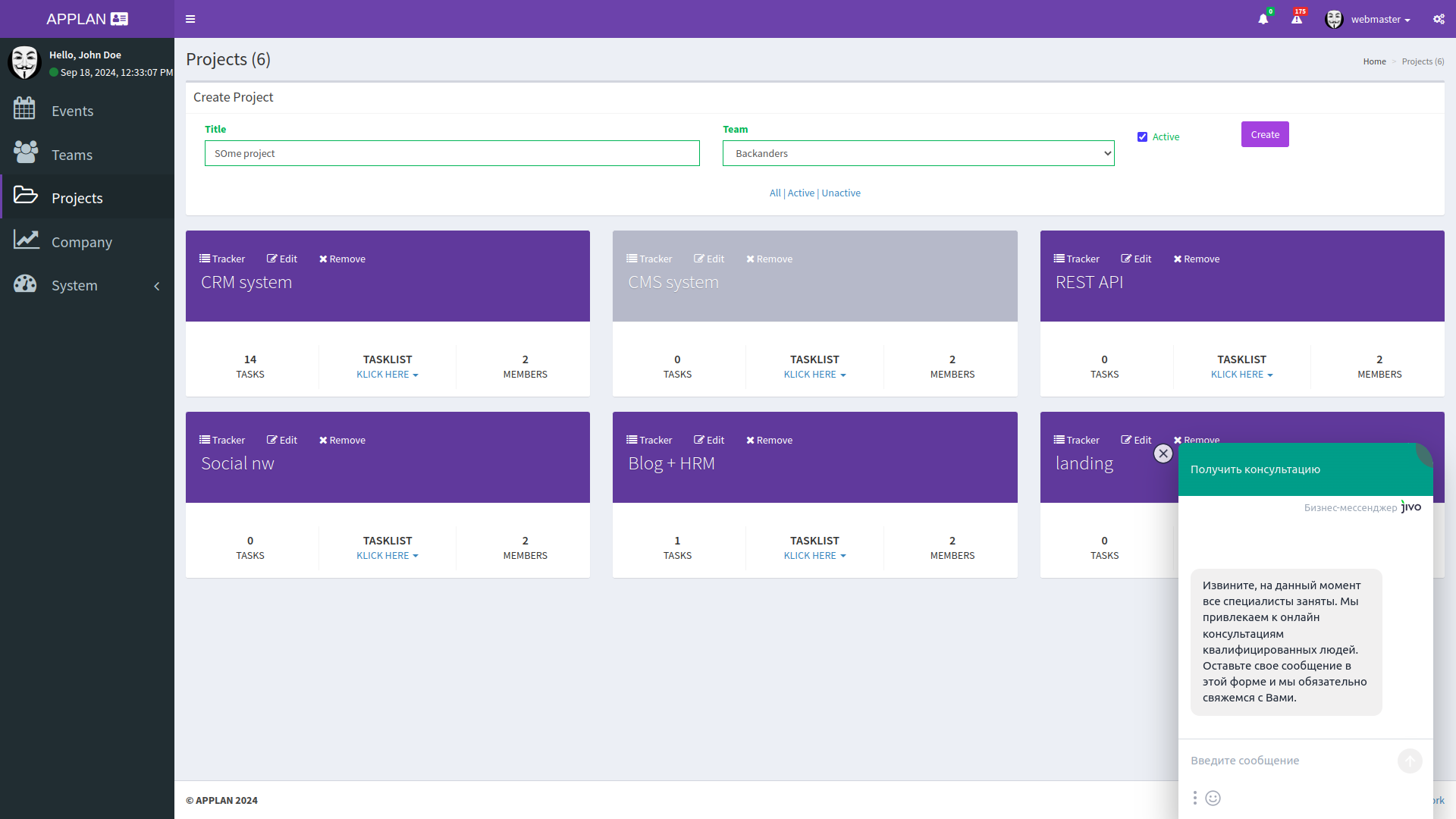
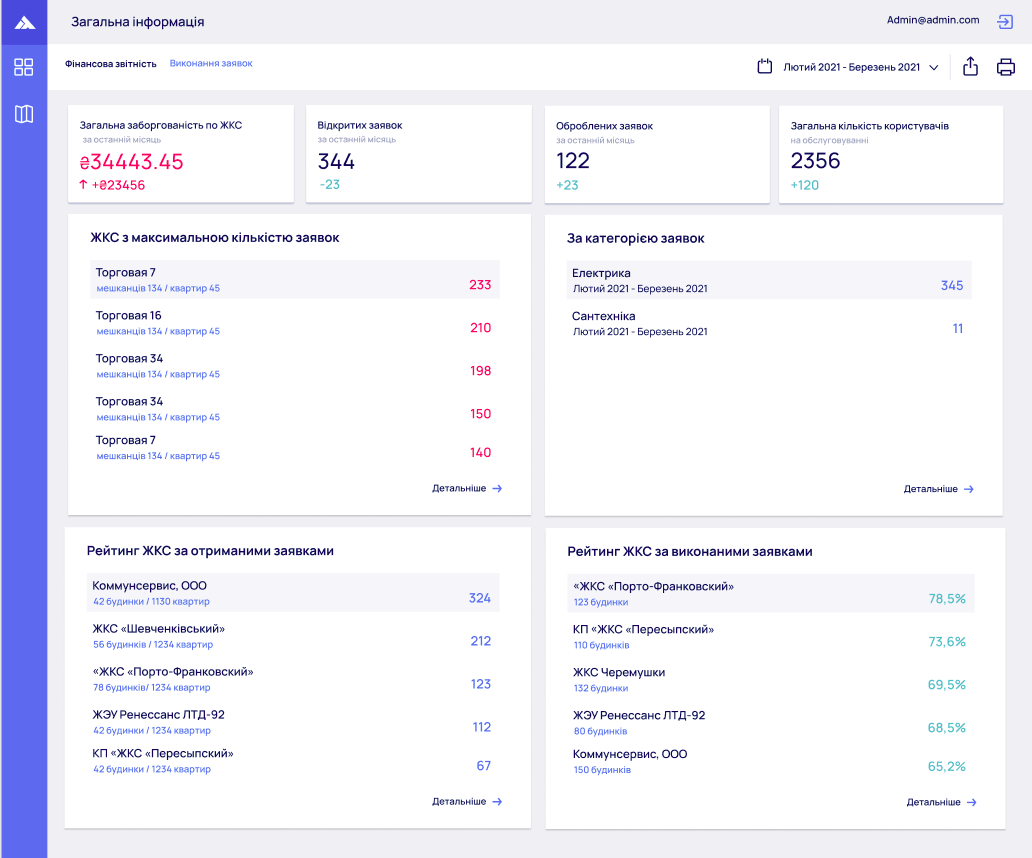
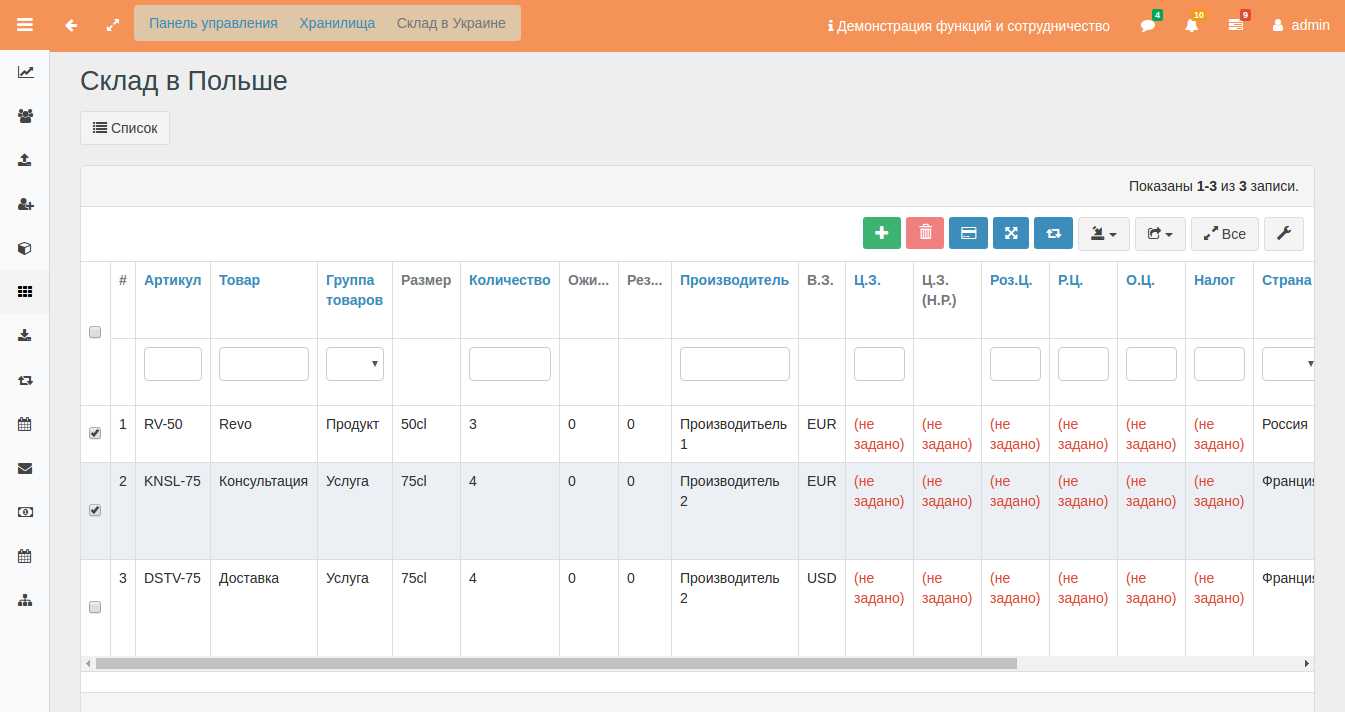
As part of the development, we assembled not only the voice module itself, but also an internal service control panel. This is an important point that is often underestimated. Many people think the main thing is for the neural network to say something. In practice, the main thing is for the business to be able to control.
- Receiving incoming phone calls through ordinary telephony
- Voice AI dialogue according to specified scenarios
- Call transcription in text form
- Listening to audio recordings of conversations
- Call quality control and technical events
- Configuring the agent’s response rules for a specific business process
- Integration with a Telegram bot for notifications and reports
That is, this is no longer just a voice bot, but a small operating system for telephone communications. A kind of control tower, only instead of airplanes there are incoming calls, scenarios, messages, and the human nervous system, which is worth protecting.

Why this project is technically interesting
Voice AI systems have one unpleasant feature: the user senses falseness very quickly. In a text chat, a person may still forgive a pause or an odd formulation. In a phone conversation, no. There, any delay, unnatural intonation, or too-early call drop instantly breaks trust.
Therefore, in such systems the following are critical:
- Latency budget (delay budget, that is, how many milliseconds can be spent before the person starts getting annoyed)
- Turn-taking (logic for switching turns, so the agent does not interrupt and does not stay silent like an offended accountant)
- Observability (observability, when you can see exactly where the system failed)
- Fallback scenarios (emergency branches if the person does not speak according to the template)
- Cost control (control over the cost price of a minute of conversation)
In the demonstration, by the way, a live product nuance is honestly visible: the agent ends the conversation too quickly after confirming the message. This is a minor thing only in words. In real UX (user experience, that is, how a person feels the system), such things are very important. And that is exactly why we love not fairy tales about AI, but normal engineering iteration: looked, noticed a rough edge, refined it, released a new version.
Where this can be applied
The field of application here is literally untouched. The technology is suitable both for large companies and for startups that want to build a service around voice scenarios.
- Digital secretary for an entrepreneur, expert, doctor, lawyer, manager
- Automation of incoming call handling for small and medium-sized businesses
- AI call center for processing typical inquiries
- Conversation quality control in a sales department or support team
- Voice notifications and outbound calls according to scenarios
- Integration with CRM, ERP, and internal company systems
- Lead collection, requests, clarifications, delivery statuses, bookings
For the corporate sector, this is a path toward reducing manual routine, losses, and chaos in communications. For a startup, it is an opportunity to launch a service with very clear value: a person does not miss important calls and receives a structured summary of the conversation, not a mess of memory and emotions.
Why such projects cannot be done in a rush
This is where the grown-up part of the conversation begins. Projects with voice AI are economically dangerous if you jump into them without design. Because the cost price of such a solution is formed not from one request to a neural network, but from an entire conveyor:
- telephone infrastructure
- speech recognition
- response generation
- voicing
- storage of logs and audio
- control panel
- integrations and support
If you do not calculate the architecture in advance, you can very quickly get a beautiful demo with bad unit economics. And then it will turn out that every minute of conversation eats money like a hungry server under load. That is why we design such things through an architectural loop, scenarios, constraints, roles, SLA (the level of expected reliability), and only then launch them into development.

What is especially valuable for business
The most interesting thing here is not even that AI can speak. The most interesting thing is that the phone call finally becomes data. Not an ephemeral conversation that disappears after a minute, but a structured entity:
- who called
- what they wanted
- what the outcome was
- how the agent handled the inquiry
- what quality of connection and response the system had
And when a call becomes data, it can be analyzed, checked, routed, enriched with integrations, and included in business processes. This is where real automation begins, not a circus with neural networks for an investor presentation.
What technologies and directions make sense to develop further here
Such an AI agent easily becomes part of a larger platform. For example:
- connects with CRM and the client card
- checks order and delivery statuses
- creates tasks for managers
- books a client for a meeting
- connects an avatar, chat, web interface, and multichannel capability
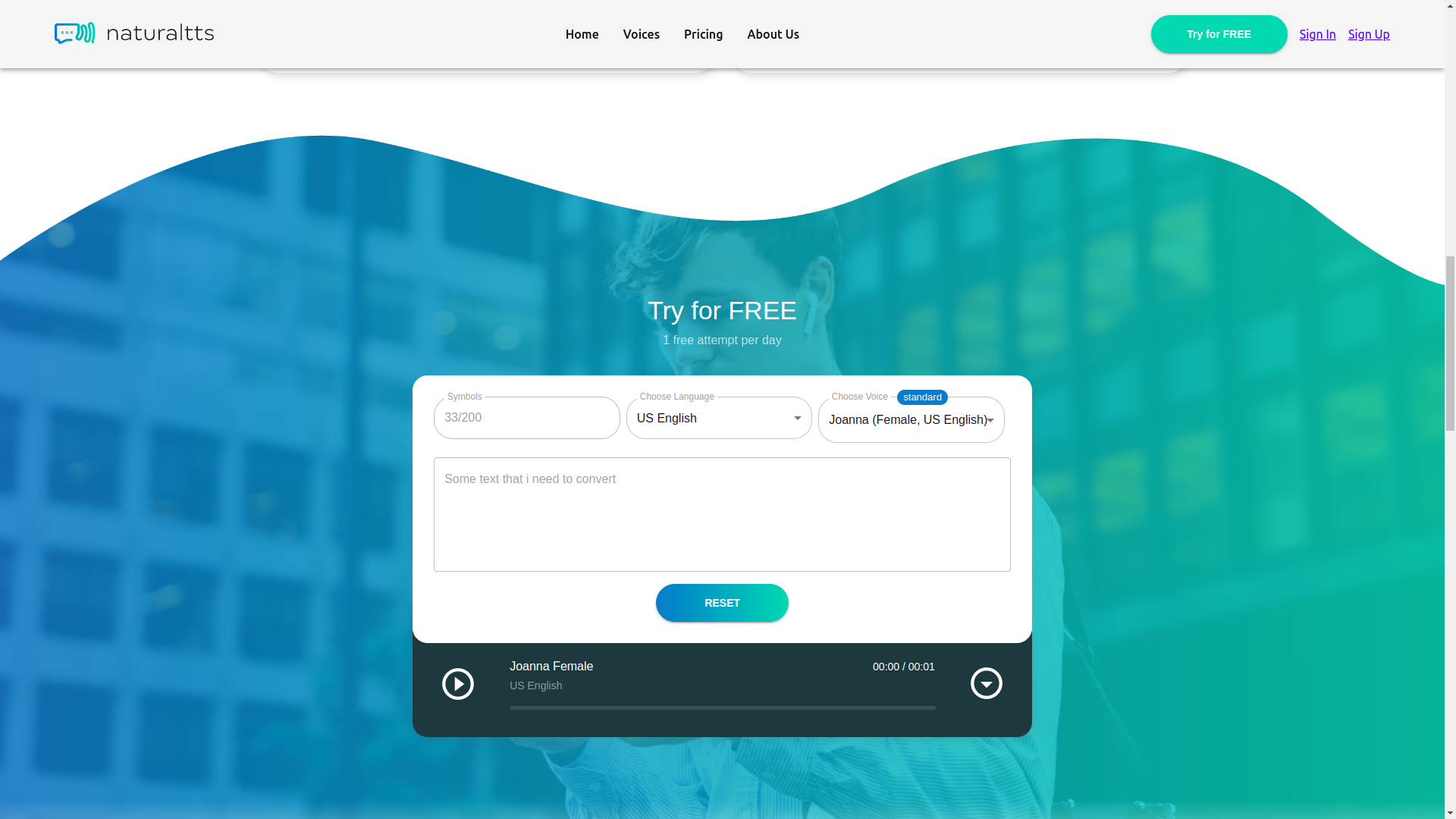
If you are interested in the topic of voice and speech synthesis, take a look at our case NaturalTTS — this is a separate direction for text↔voice services. If development automation and AI modules as part of a large product are interesting, the case FRACTAL. will be relevant. And if you are looking at this from the standpoint of integration into company business processes, it is also useful to look at FORMA CRM and platFORMA, where we build a systemic framework for departments and roles.
Who such a project is suitable for
For startups — if you want to launch a SaaS, B2B service, or new AI feature around telephony, request intake, outbound calls, and communication automation.
For systematic companies — if you have sales, service, dispatching, customer support, logistics, medical appointments, bookings, or internal telephony that currently lives in manual chaos.
Simply put, if calls are an important part of your business, it has long been time to stop treating them as just calls. This is an interface. And an interface can be designed.
Conclusion
This case shows not just a voice bot, but an architectural template for an entire class of products: AI secretaries, voice assistants, automated call-flow systems, intelligent outbound calls, conversation quality control, and integration of telephony with internal business systems.
Such solutions look simple only on video. In practice, this is a mix of telephony, AI, scenario design, observability, UX, and economics. But when everything is assembled correctly, the result is a very strong tool: the business loses fewer calls, people drown less in routine, and data starts working instead of gathering dust in emptiness.
If you want to make a similar AI project for Ukraine, Europe, the USA, or Israel — with proper architecture, a contract, staged work, and no improvised shamanism, take a look at our landing page systems.ingello.com. There are reviews, a description of the approach, work stages, and the option to leave a request for a free consultation.