 Разработка ПО
 Менеджмент
 Для компаний
 Для стартапов
 Архитектура ПО
In this video (see below), I clearly show how our AI Avatar for business works: a live voice agent that does not just answer like a chat, but communicates almost like an employee, uses the company knowledge base, gives guidance on projects, and can become a new interface to your CRM, data, and business processes. If you want to see not abstract reasoning about AI, but a real demonstration of how such solutions look live and how they can be applied in a startup or a systematic company, be sure to watch the video — everything is shown there simply, concretely, and without unnecessary magic =)
Оглавление
- In this project, we went in a different direction. Angela AI Avatar — this is not just an avatar for a website and not a decorative animation for a presentation. It is a voice AI agent, that can talk to the user, take the dialogue context into account, work on the company knowledge base, connect to CRM, internal systems, documents, APIs, and perform useful actions, not just move its lips beautifully.
- What kind of product this is
- What is the project’s main value
- How it works under the hood
- Training on company data, not on the fantasies of the internet
- What such an AI agent can do in business
- Who this format is especially useful for
- Why such solutions cannot be thrown together in three days
- What the client receives in the end
- Conclusion
AI Avatar for business: a voice agent that speaks like a human and works on company data
Most AI demos today look beautiful, move their lips, blink, smile, and diligently portray digital life. But if you remove all the makeup from them, often what remains inside is an ordinary little chat with a wow effect for five minutes =)
In this project, we went in a different direction. Angela AI Avatar — this is not just an avatar for a website and not a decorative animation for a presentation. It is a voice AI agent, that can talk to the user, take the dialogue context into account, work on the company knowledge base, connect to CRM, internal systems, documents, APIs, and perform useful actions, not just move its lips beautifully.
To be completely honest, the face here is the showcase. The real engineering is under the hood: LLM (large language model — a system that understands and generates text), RAG (searching the knowledge base before answering), ASR (speech recognition), TTS (speech synthesis) and a business logic layer that connects all of this with the company’s real tasks.

What kind of product this is
Angela AI Avatar is an application with a voice interface where the user communicates with an AI assistant almost the same way as with a live consultant. The agent listens, responds, asks clarifying questions, can rely on business knowledge, and guide a person through a consultation, sales, support, or internal automation scenario.
And this is not abstract chatter about neural networks. Such an agent can be adapted to a specific subject area:
- for consultations on IT projects and startup launches
- for initial qualification of website inquiries
- for customer support inside a personal account
- for working with CRM and customer cards
- for internal employees as an AI secretary, AI operator, or AI analyst
- for voice access to the corporate knowledge base
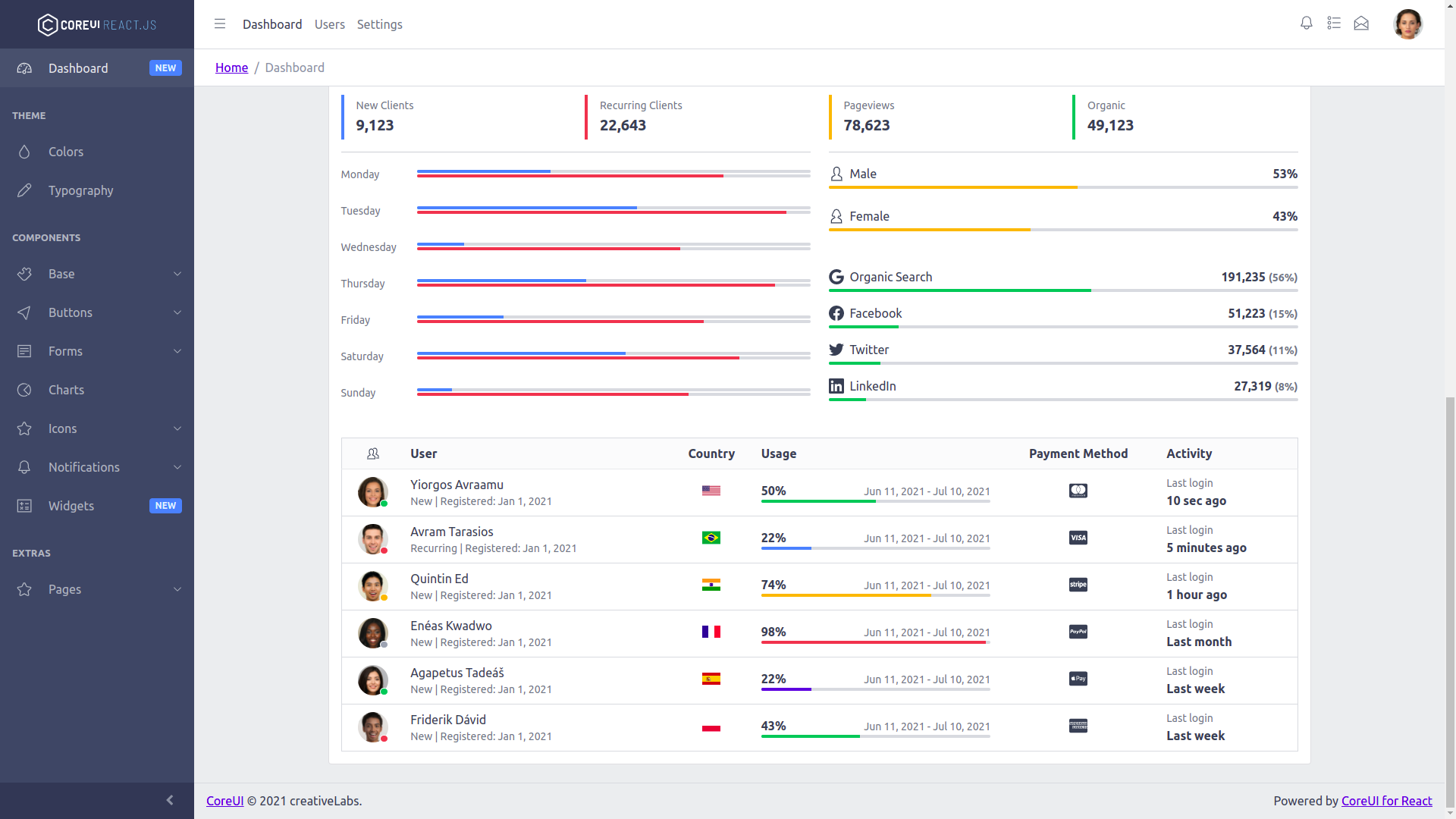
In other words, this is not a toy in the style of look what a cute character. What we have here is a new interface for accessing software. Not buttons for the sake of buttons, but a conversation with the system in human language.
What is the project’s main value
The strongest part of the solution is not the avatar itself, but voice access to the program’s functions. This is a very important shift. Previously, the user studied the interface, menus, filters, tabs, and buttons. Now, more and more often, the interface begins to study the user.
Instead of long training, an employee can simply say:
- show deals that are stuck without payment
- find clients who need to be written to today
- explain where to start with launching a new product
- prepare a brief technical specification based on my idea
- prepare a reply to the client based on our knowledge base
And if the architecture is built correctly, the agent does not merely answer with text, but actually interacts with the system through tools, roles, access rights, and business rules.
How it works under the hood
From an engineering point of view, such a product is a bundle of several subsystems, each solving its own task. Together they work like a well-tuned orchestra, not like a drummer who accidentally sat down at a factory control panel =)
- Speech-to-Text — turns the user’s voice into text
- LLM core — understands the meaning of the question, builds the answer, chooses the scenario
- RAG layer — pulls knowledge from documents, the website, cases, instructions, and the company database
- Tool calling — invokes external actions: CRM, calendar, search, API, messages, documents
- Text-to-Speech — voices the answer so the communication feels natural, not wooden
- Security control — limits actions, checks permissions, logs events, and does not let the agent engage in digital amateur theatrics
We pay special attention to the feeling of natural communication. Voice, pauses, timbre, intonation, small slips, and even micro-hesitations matter no less than a formally correct answer. When an agent sounds too sterile, the user feels not intelligence, but an ATM. And a business does not need an ATM, it needs a useful interface.
Training on company data, not on the fantasies of the internet
It is worth separately emphasizing an important thing: the value of such solutions appears when the agent begins working on the data of a specific business. In the demonstration, the agent relied on the company website, internal materials, and a portfolio of completed projects. That is, it did not speak generally about everything in the world, but in the context of the team’s real experience.
This is exactly the moment when AI stops being a circus and becomes a tool. Today it can consult on launching digital products. Tomorrow it can answer about your CRM, ERP, tenders, logistics, production, customer base, or internal regulations.
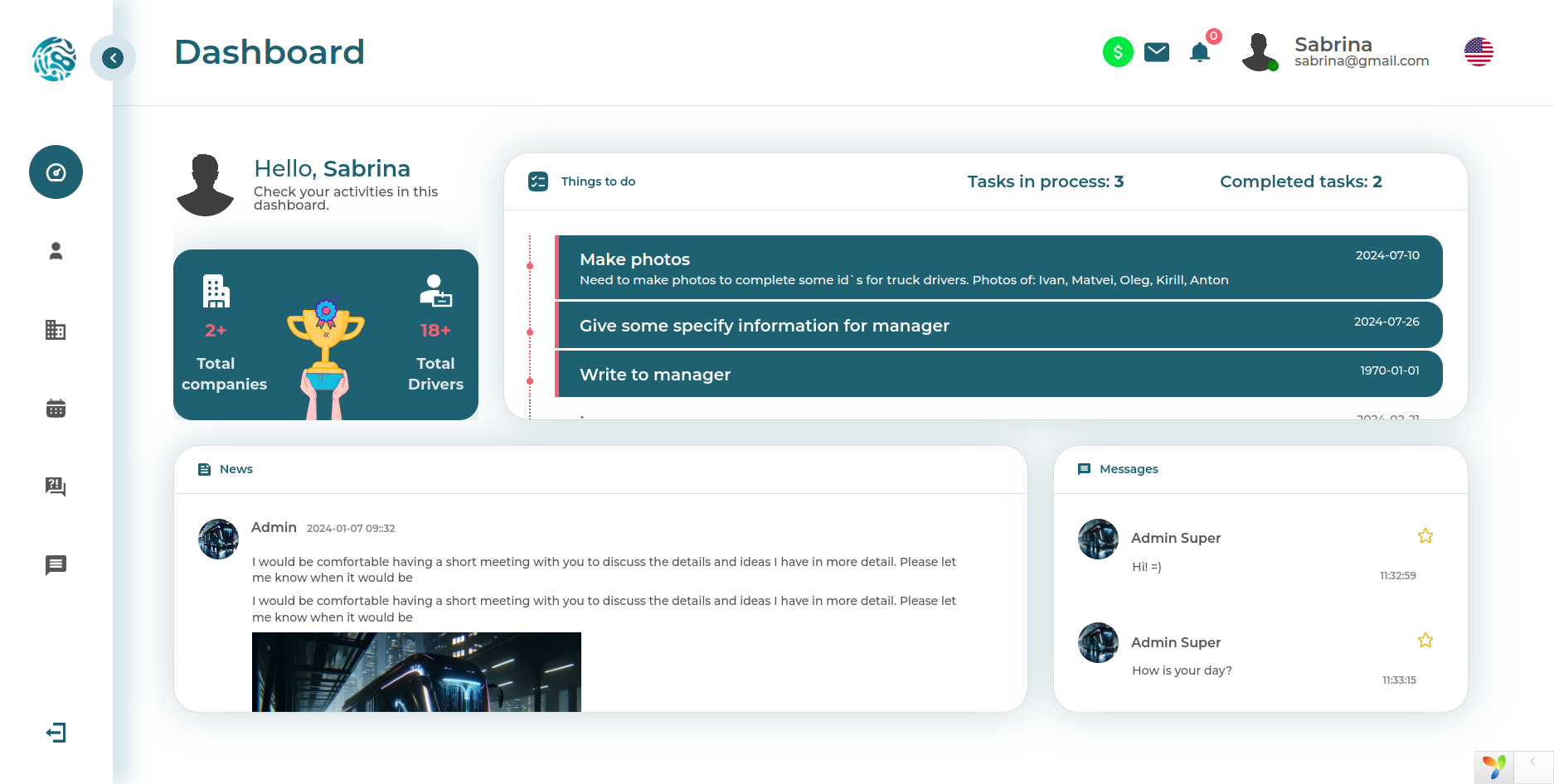
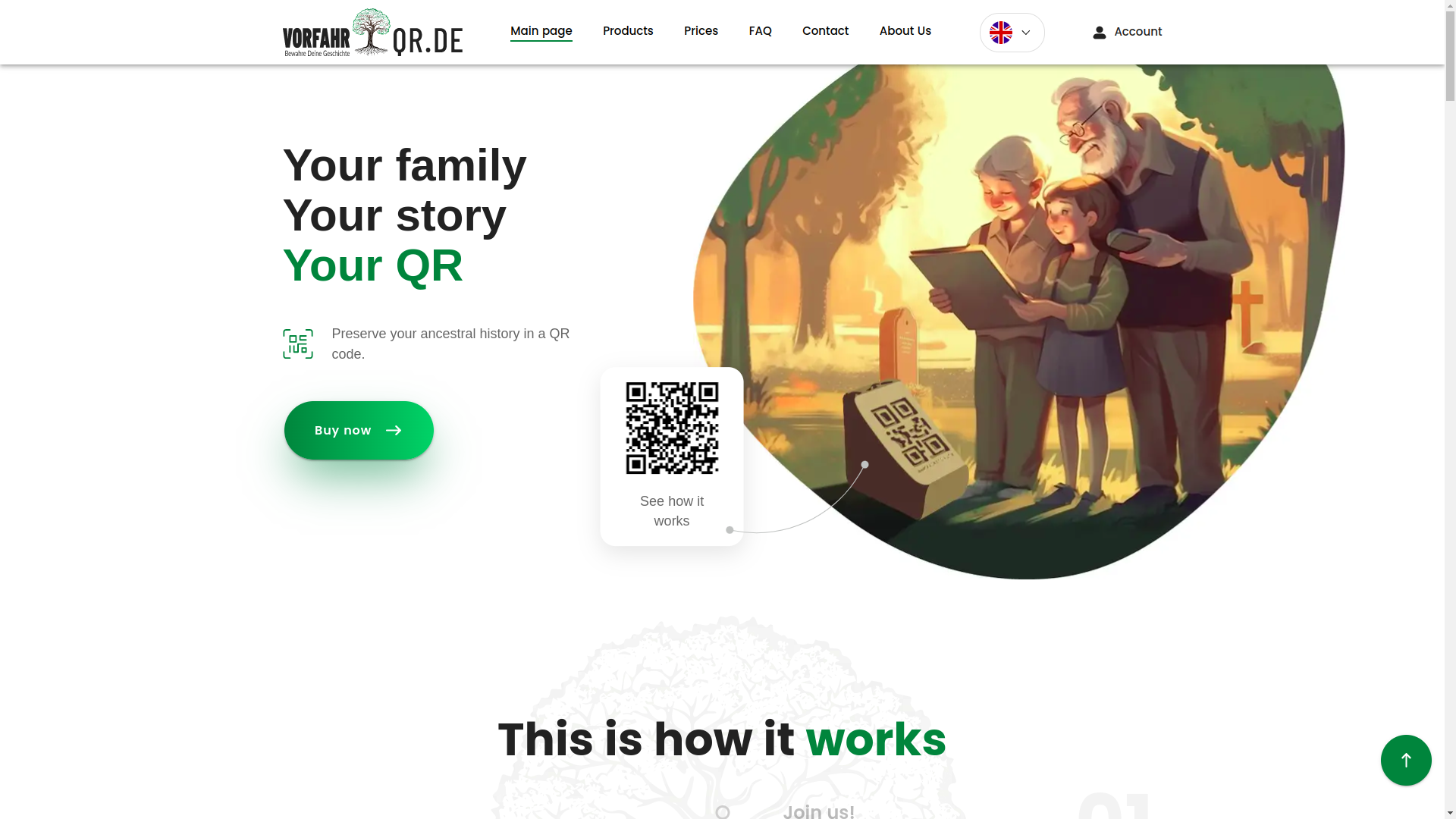
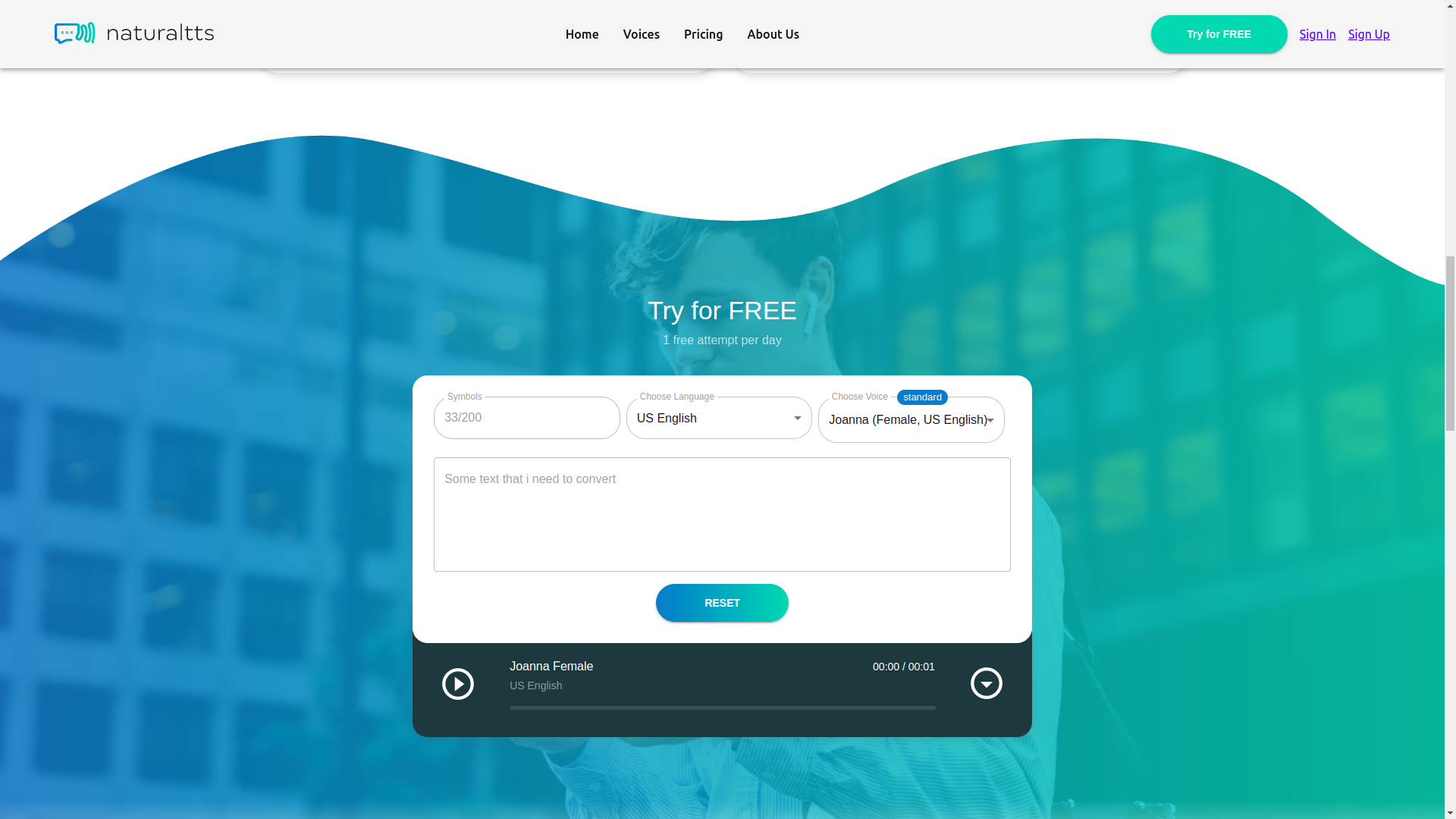
We build other solutions at the intersection of AI and automation according to the same logic. For example, in the project Vorfahr we worked with AI modules and content automation, and in FRACTAL — with software development automation. For tasks related to the voice layer and speech synthesis, the case NaturalTTS.
What such an AI agent can do in business
The list of scenarios here is almost indecently large. And this is exactly the case where the technology is not looking for a problem, but the opposite: there are too many problems, and it has plenty of room to roam.
- answer customers on the website in the format of a live dialogue
- help the sales department qualify inquiries
- explain a new product or service in the language of a specific industry
- search for data in documents, the knowledge base, and internal systems
- create drafts of emails, messages, and negotiation summaries
- support employees as an internal training assistant
- help managers and analysts gather project requirements
- work as a voice interface to CRM, BPM, ERP, and other platforms

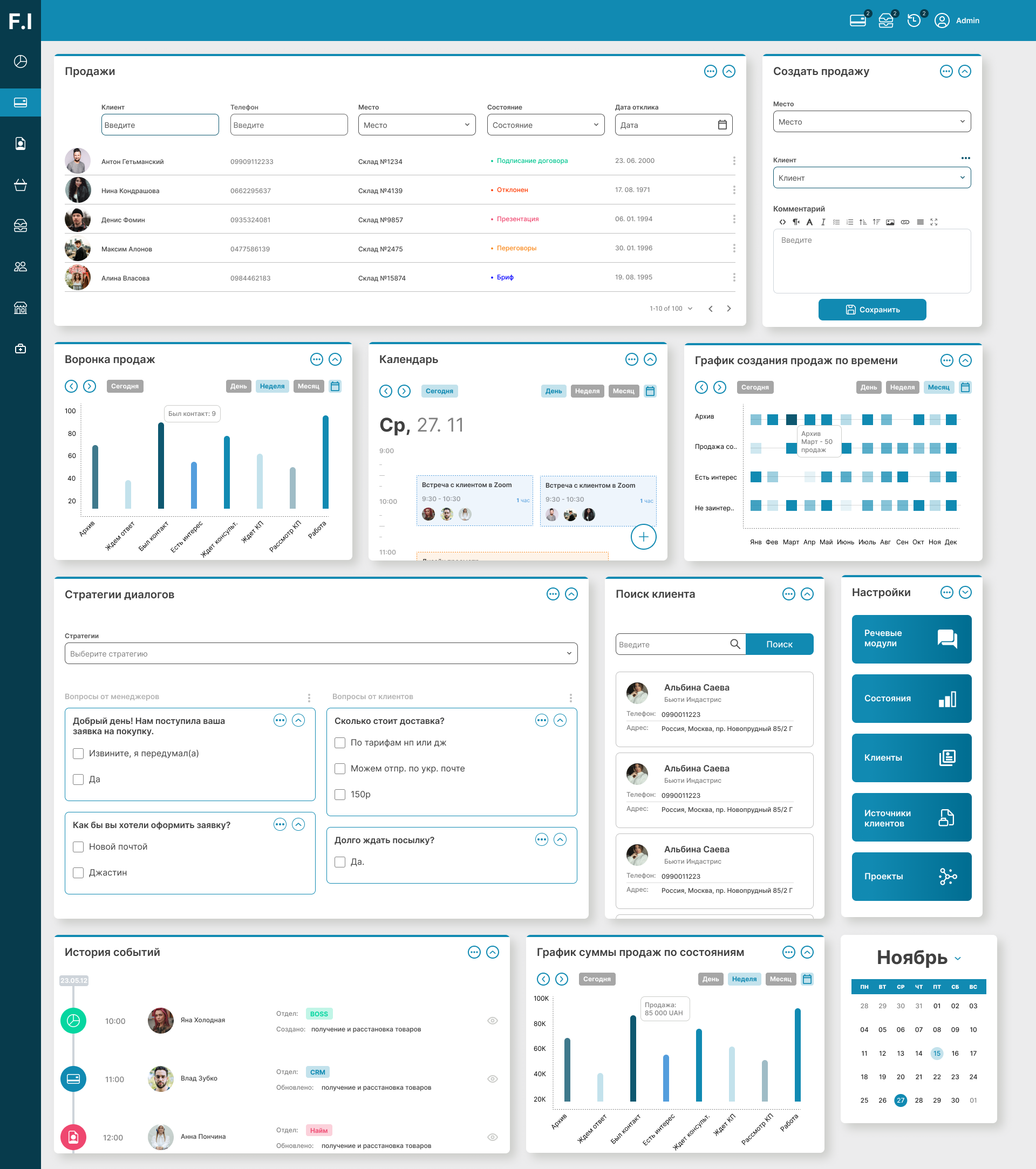
If a company needs not just an AI chat, but a full-fledged system environment where the agent is connected to sales, process, and department modules, then the logical continuation is solutions at the level of platFORMA, FORMA CRM and FORMA BPM.
Who this format is especially useful for
For startups this is a fast way to test a product hypothesis where AI is not a marketing sticker, but a real part of the value. A voice agent can become the entry point into a service, part of a mobile application, an AI consultant in SaaS, or a virtual first-line operator.
For system companies this is a new level of automation. Not another tab in an overloaded admin panel, but a convenient layer of interaction with data and processes. This works especially well where the business already has a chaotic set of systems, Excel files, regulations, correspondence, and knowledge scattered across ten corners of the digital shed.

Why such solutions cannot be thrown together in three days
There is currently a lot of noise in the market around AI agents. In noise, as usual, it is easy to lose an important thought: an industrial AI agent is not one prompt and not a beautiful frontend. It is an architectural project.
For the system to bring in money instead of new forms of digital madness, you need to think through:
- the model of roles and access rights
- data sources and their quality
- the boundaries of the agent’s autonomy
- integration security and action logging
- error, escalation, and manual control scenarios
- the cost of model calls and load scaling
- an architecture into which new AI capabilities can be embedded painlessly
That is why proper development of such a solution does not begin with let’s quickly slap together an avatar, but with domain analysis, logic design, prototyping, and infrastructure assembly. A rough MVP can be assembled relatively quickly. But if you need a tool for business, not an exhibition trick, there is no way around engineering discipline here.
What the client receives in the end
Depending on the task, the project may include:
- research of the subject area and use scenarios
- design of AI logic and system architecture
- connection of the knowledge base, website, documents, and internal sources
- development of a web interface, mobile interface, or embedded widget
- integration with CRM, ERP, email, calendars, messengers, and API
- configuration of the voice layer and agent behavior
- security perimeter, logging, and manual control rules
In other words, this is not simply about developing a screen with a face. This is about building a digital employee with access to the company’s knowledge and tools.
Conclusion
Angela AI Avatar demonstrates a very simple but important thesis: the future of AI in business is not only text generation in a window. It is a live interface to data, processes, and actions. Where previously a person looked for a button, tomorrow they will simply say what they need. And the system will understand, check the context, connect the necessary modules, and complete the task.
And yes, the sooner a company starts building such an architecture, the better. Because new models are released constantly, but the winners are not those who read AI news, but those who already have prepared infrastructure, roles, data, and integration perimeters.
If you need an AI agent for a website, a voice AI consultant, a corporate AI assistant or an architecture for implementing such solutions, take a look at our page about the development approach. It has reviews, working principles, project stages, and the option to submit a consultation request. Sometimes one properly designed agent brings more benefit than another department, another contractor, and another year of suffering with Excel =)