 Разработка ПО
 Менеджмент
 Для компаний
 Для стартапов
 Архитектура ПО
A very unusual project for us, and therefore an interesting one. We had to develop universal software for TVs and tablets. The task: anyone can see such a TV on the street and, using a smartphone, place their announcement on it in one minute.

In the picture below you see the problem we were solving - namely trashy bulletin boards all over cities - at stops, poles, entrances, fences. Aren't you tired of this? Our client was tired of it. And he decided to promote a social initiative that will equip cities with digital devices for placing this advertising there (both for free and for money in premium slots)
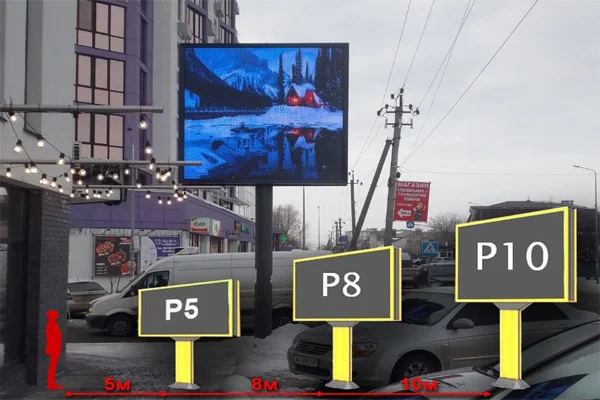
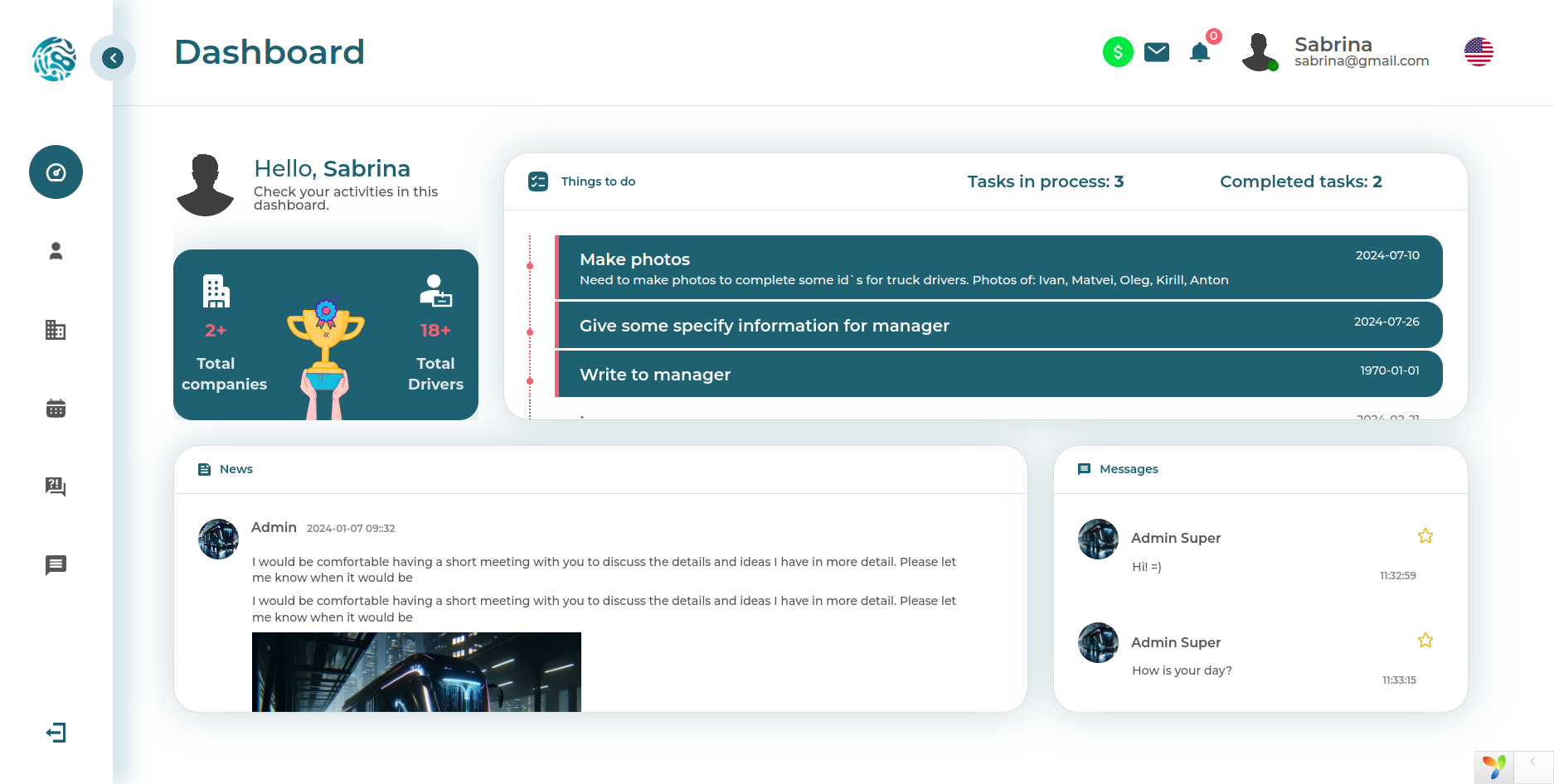
We developed an administrative system for managing devices, where it was possible to connect an unlimited number of monitors and mark up the monitor. As it turned out, this is not a trivial task - splitting different monitor sizes into blocks convenient for placement, especially considering that the task was to think through pricing per square centimeter. And for us, as programmers, this was the first project where the technical specification included such SI units as centimeters. And if you think about the specifics of how pixels on the screen, in which all sizes are basically defined for programmers, relate to centimeters, we will come to the idea that there is no single way to convert a pixel into centimeters. Because the pixel density per centimeter on each device is completely different. But a task is a task, and we thought through the block markup of devices, this primary configuration of a TV or advertising tablet, which allows unifying the metrics needed for pricing. In fact, it turned out that even bringing fonts to proportional display on different devices is not a trivial task, since there is no such button for converting typography pixels to a percentage ratio of the size of any arbitrary screen.
Visually, the product seems not complicated at all and could be made fairly quickly. But detailed business analysis revealed all the nuances of the project at the early stages, so the budgets and timelines were transparent and understandable for the client.
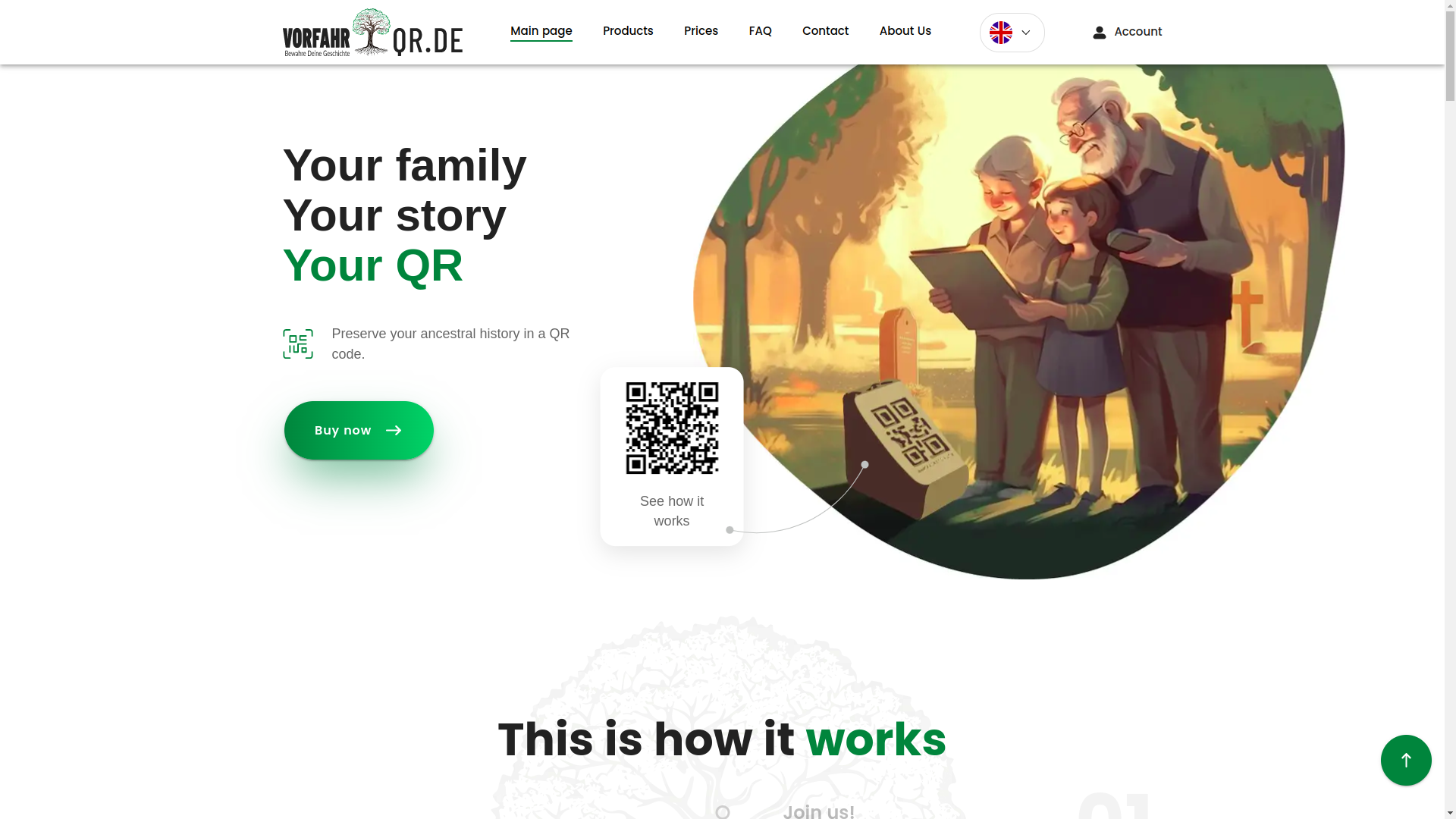
Below in the photo is the first prototype of the system, in which you can scan a QR code and place your text and photo specifically on this bulletin board.
Such boards are placed on TVs, special monitors, or tablets.