 Разработка ПО
 Менеджмент
 Для компаний
 Для стартапов
 Архитектура ПО
The company manufactures and sells funeral products (frames, glass, panels) and photo design services. During the project, business analysis and an audit of the business processes of the company "Sklo" were carried out, as well as development of a software prototype. As part of the project, an application for clients, an application for sales managers, and an application for designers were designed, visualized, and developed (early version). A 98-page technical specification (TS) was written, which described not only functional requirements, but also requirements for system quality and standards. At the end, a budget estimate was carried out and several implementation options at different fixed-price costs were proposed.
Оглавление
- Designing a system for the manufacture of funeral products: audit, prototype, and a 98-page TS =)
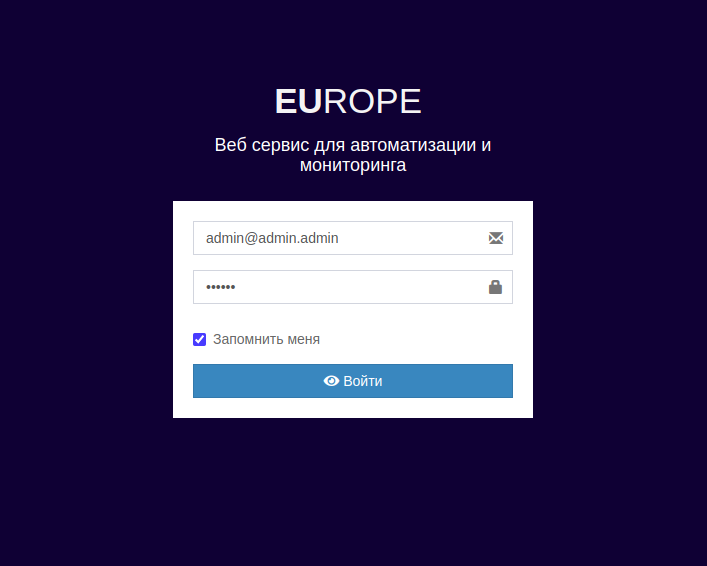
- Application for the client: a clear entry into a complex process
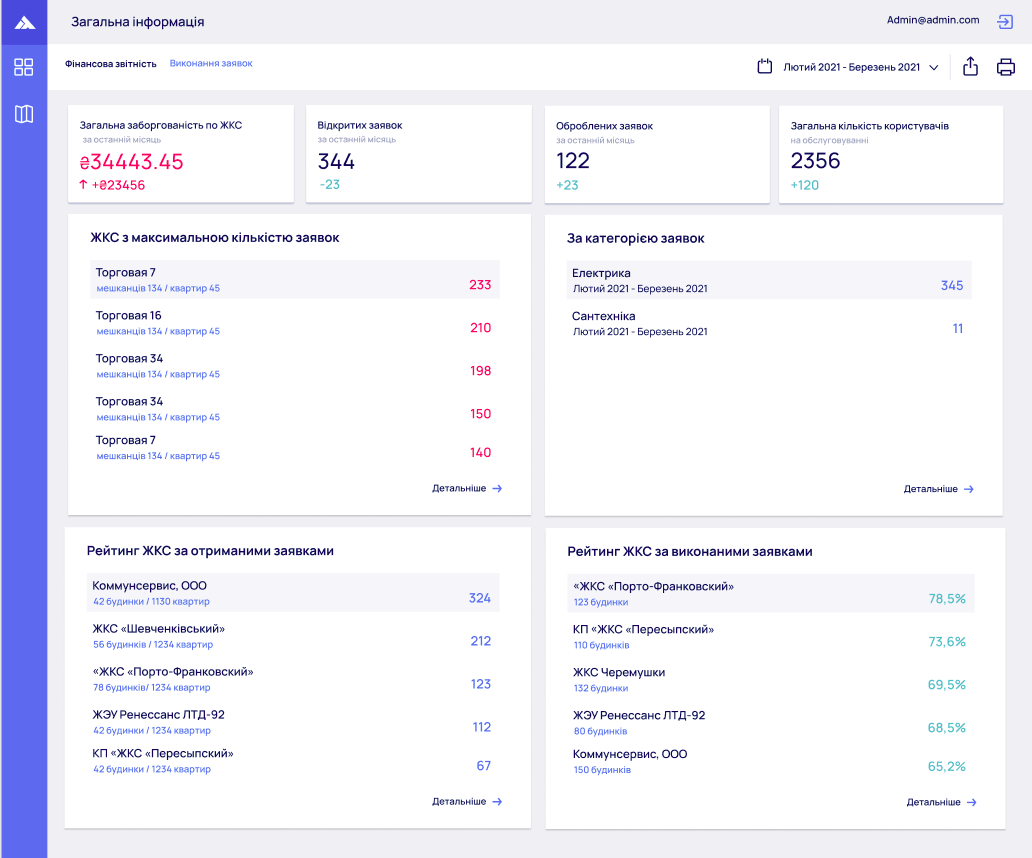
- Application for managers: sales, control, and less manual shamanism
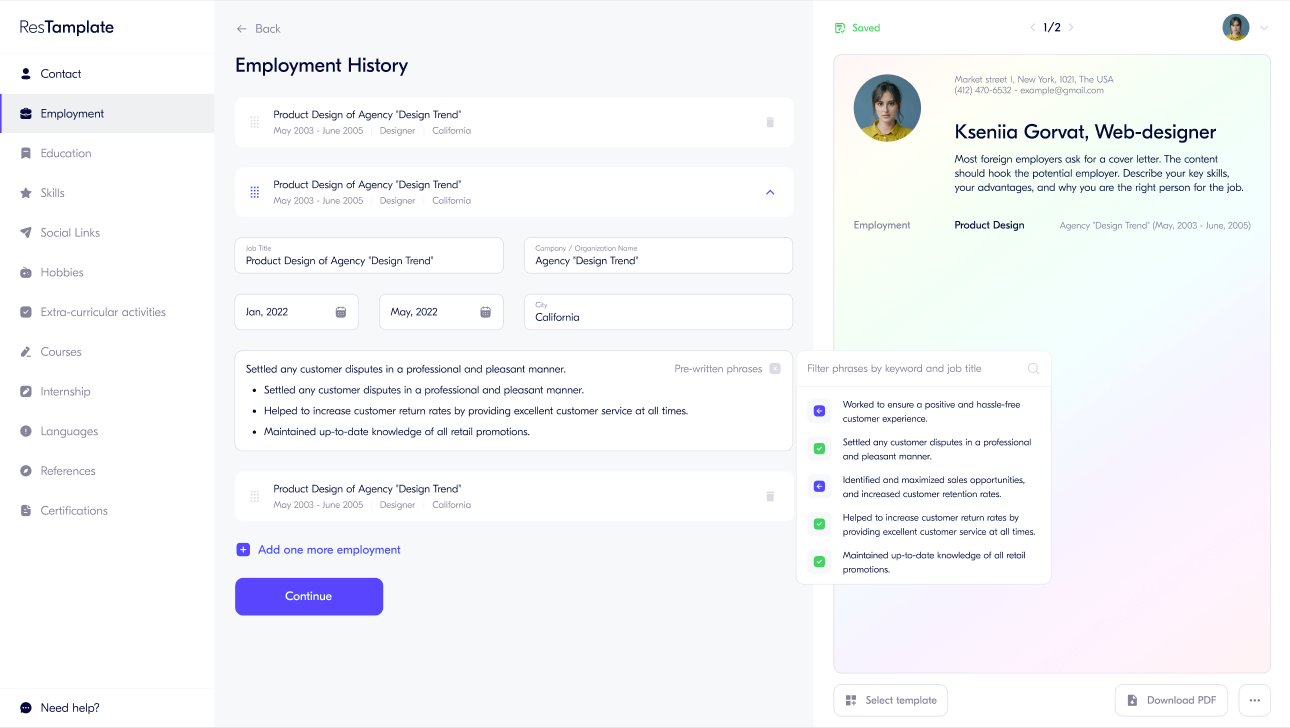
- Application for designers: where creativity must be friends with the process
- A 98-page TS: not a wishlist, but an engineering document
Designing a system for the manufacture of funeral products: audit, prototype, and a 98-page TS =)
The company Sklo manufactures and sells funeral products: frames, glass, panels, and also provides photo design services. At first glance, this looks like an ordinary manufacturing and trading business. But if you look inside, it quickly becomes clear: behind every order there is not one checkout button, but a whole chain of calculations, approvals, layouts, production stages, communication with the client, and manual actions by employees.
That is exactly why, as part of the project, we did not rush straight into writing code, as if an application could be assembled out of thin air in one evening. First, we conducted business analysis (an analysis of how the company actually works), an audit of business processes, and the design of the future system. Already at this stage it became clear that the company needed not just a website or a CRM with a table, but a clear digital scheme for serving the client: from the first inquiry to design, approval, transfer to production, and control of execution.

At an early stage, we visualized the overall product logic and broke the process down by roles. This is an important point. In projects like this, chaos usually begins where everyone works inside one shared form, and responsibility is smeared across messengers, calls, and the memory of individual employees. Therefore, the system was immediately designed as a set of separate interfaces for different scenarios, rather than as one giant cabinet with drawers in which no one later finds anything.
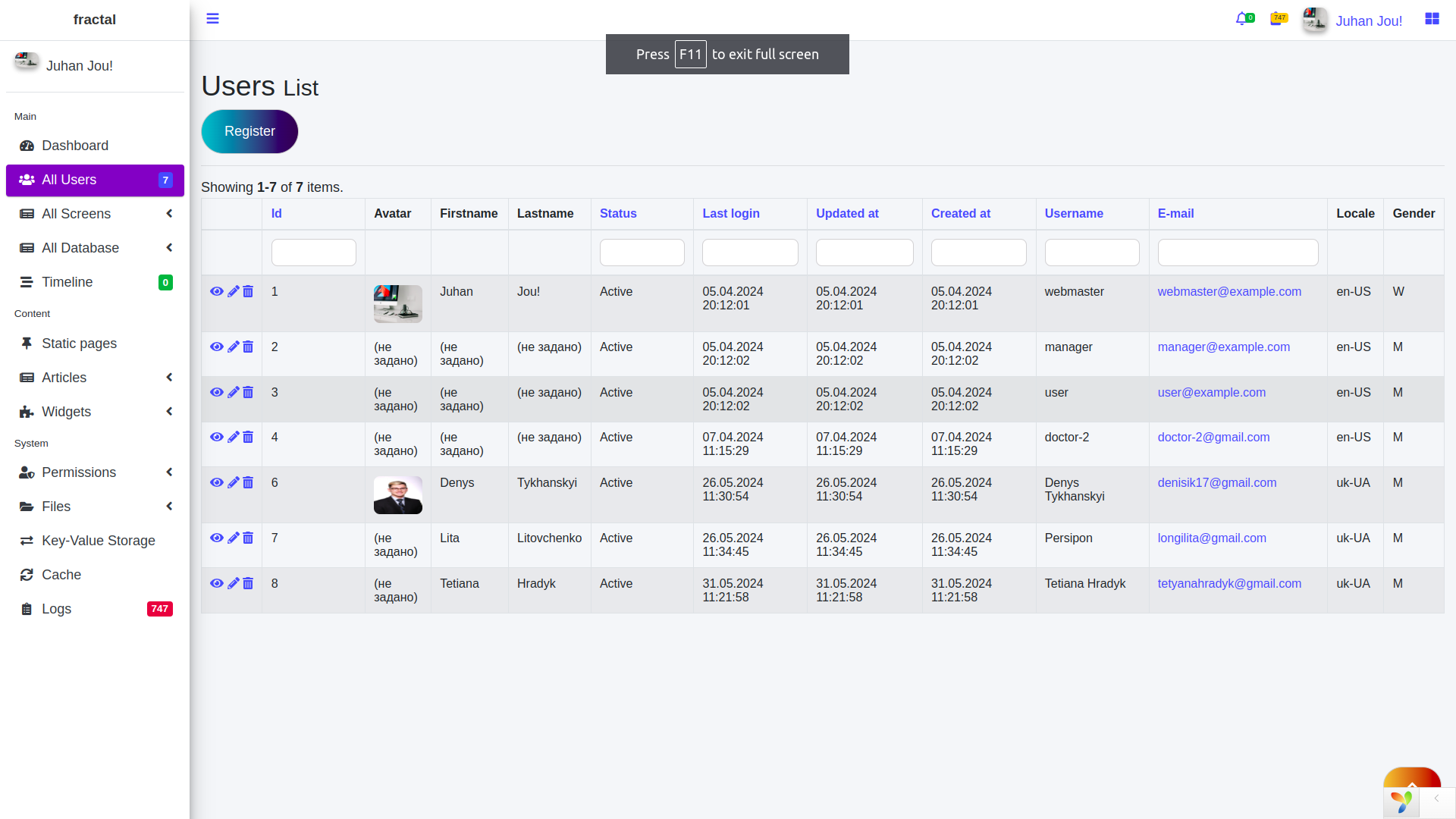
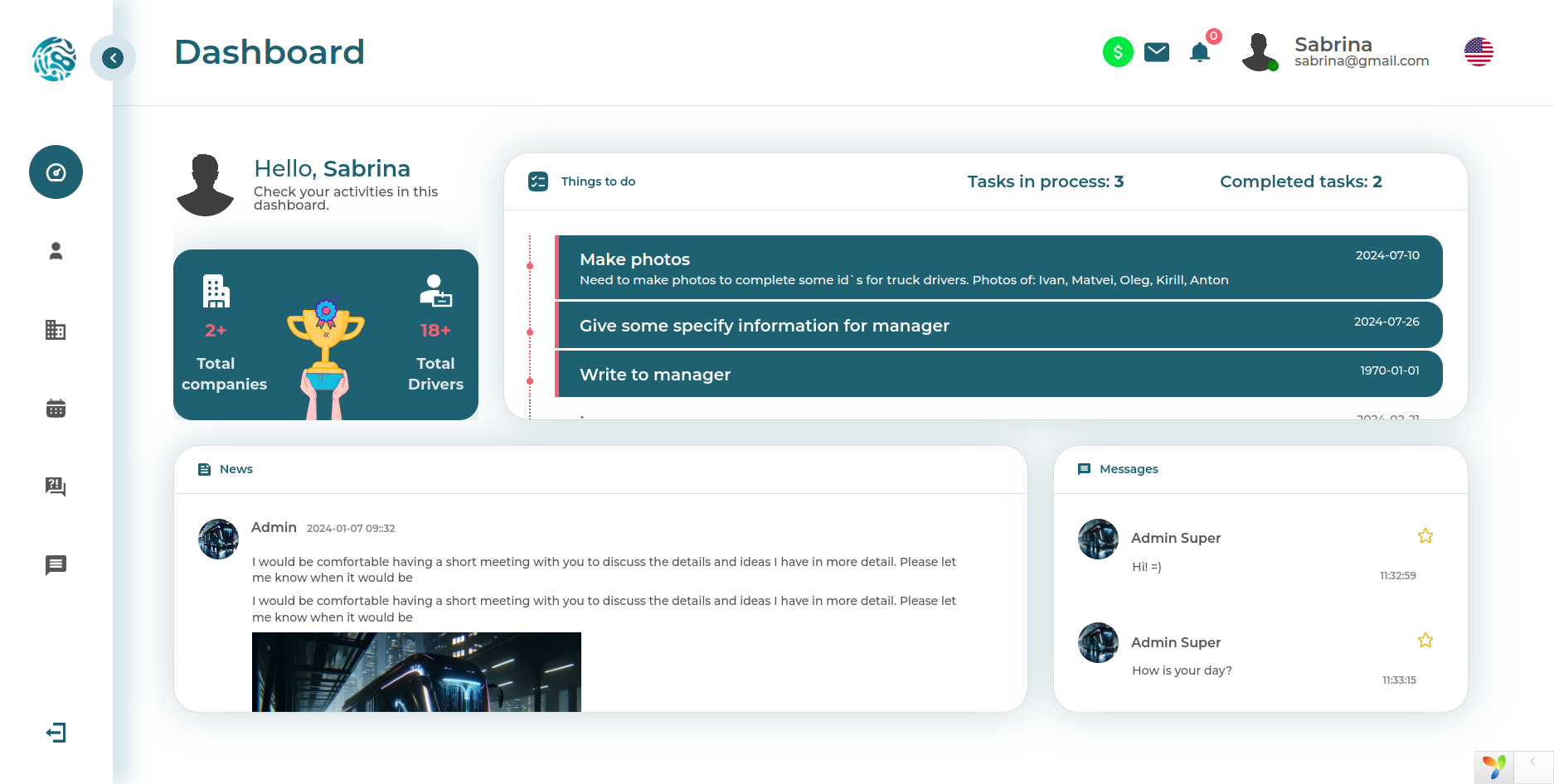
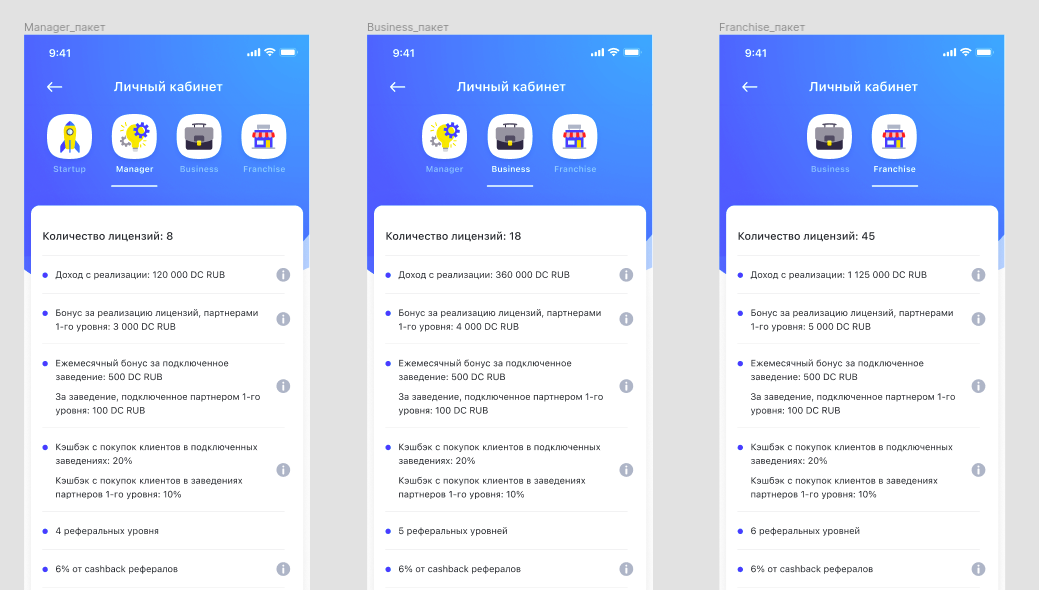
As part of the project, an early version of three applications was designed and developed at once: an application for clients, an application for sales managers and an application for designers. This approach made it possible to separate the logic by roles and not force the client to think like a technologist, or the designer to live inside a commercial interface. Each participant in the process has their own truth, their own tasks, and their own set of buttons. And that is normal =)
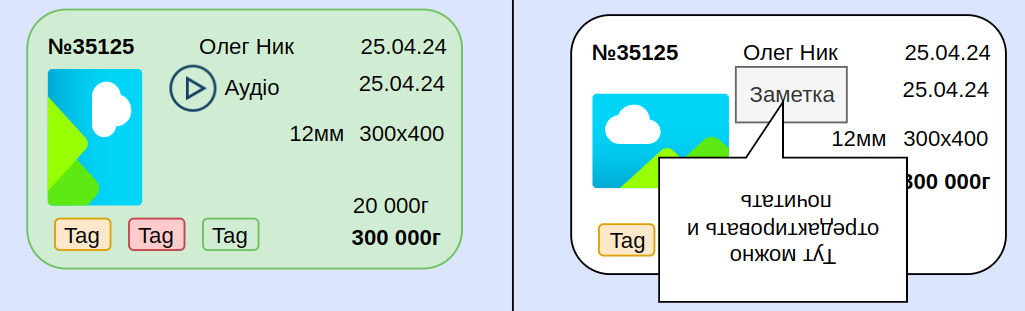
Application for the client: a clear entry into a complex process
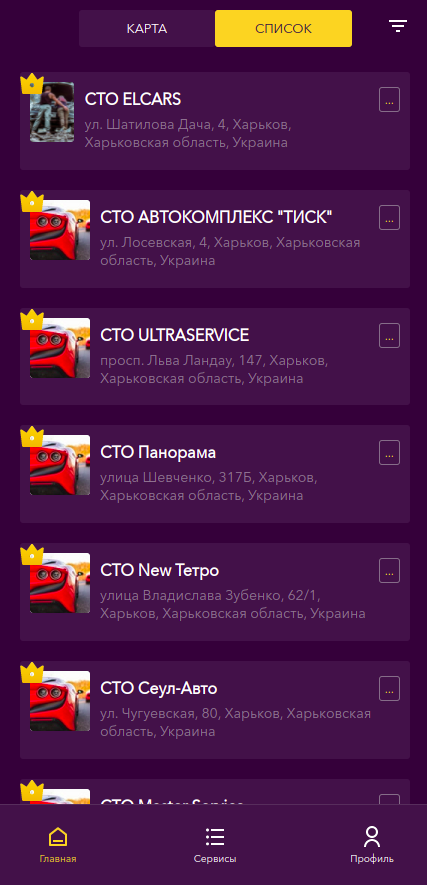
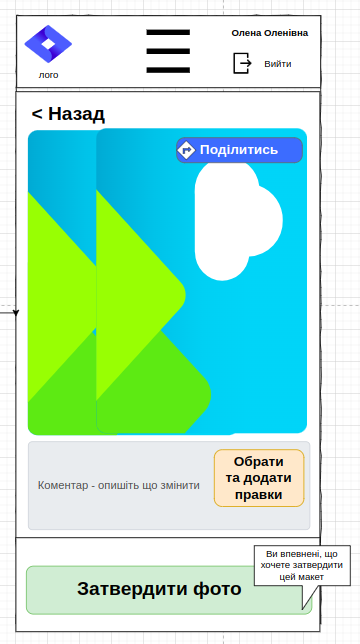
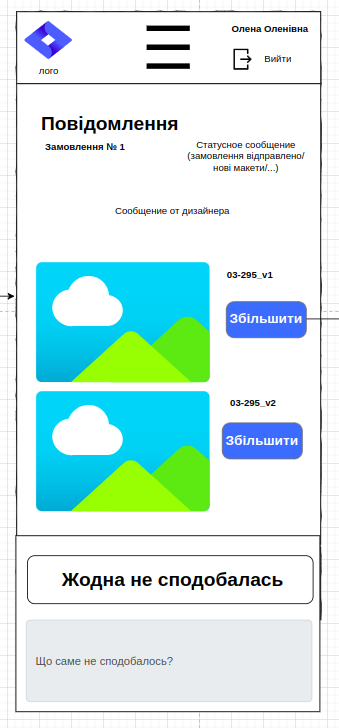
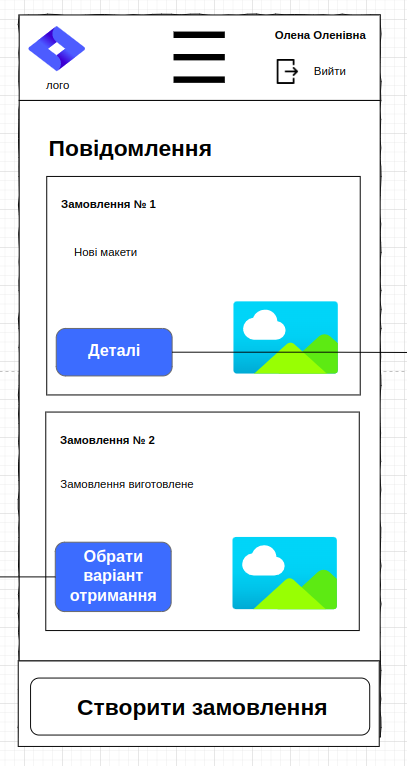
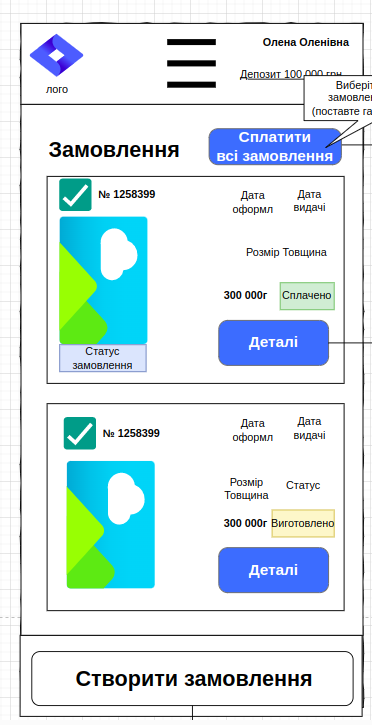
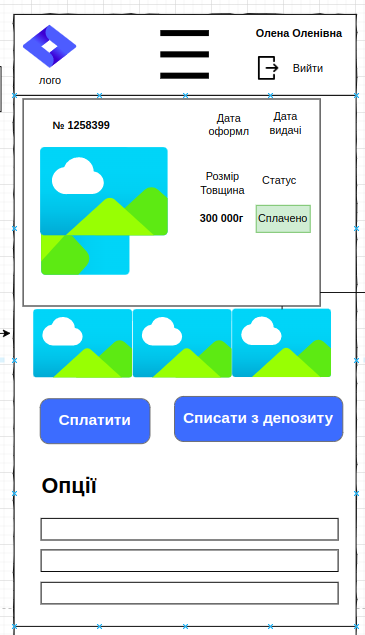
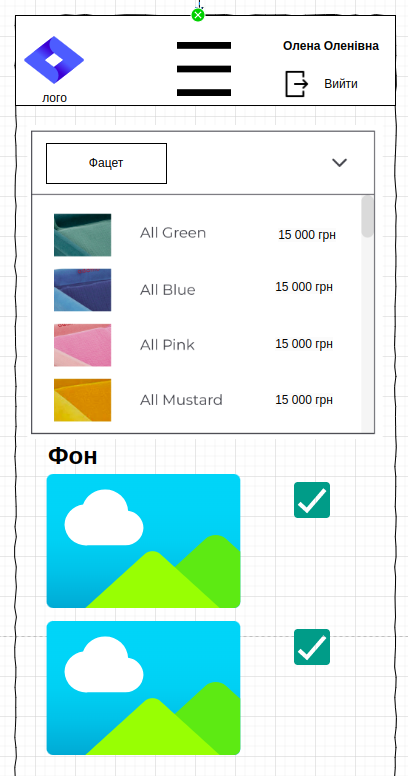
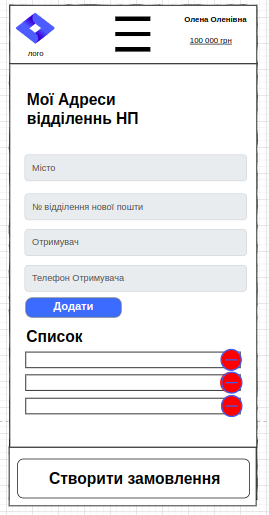
The client interface was designed so that a person could not just leave a request, but go step by step through the path of choosing products and services without feeling that they had been thrown into a technical maze. For the business, this is critical: when the product is complex, the interface should not make life even more complicated, but on the contrary, assemble the solution like a good consultant - calmly, consistently, and without unnecessary drama.
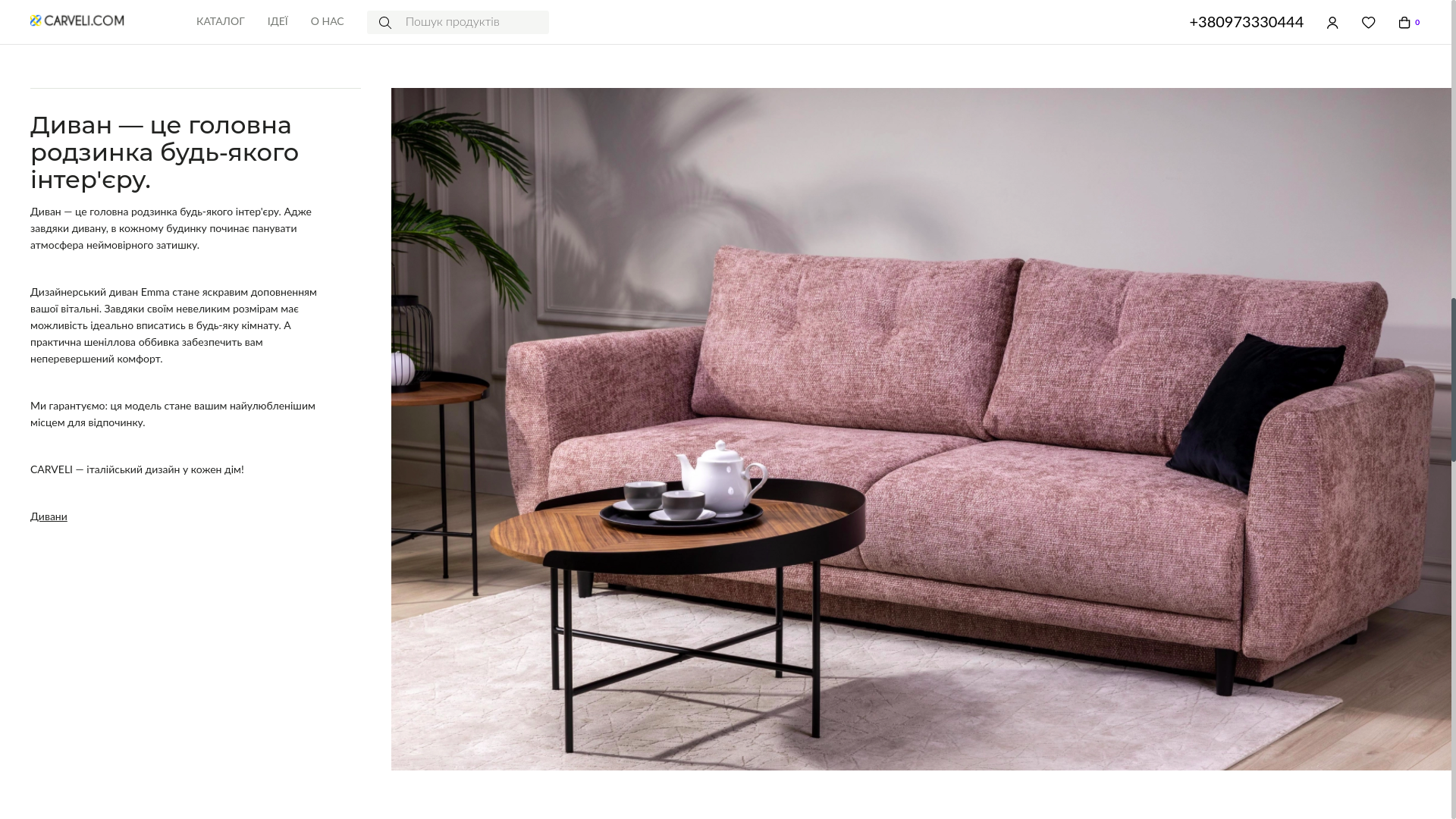
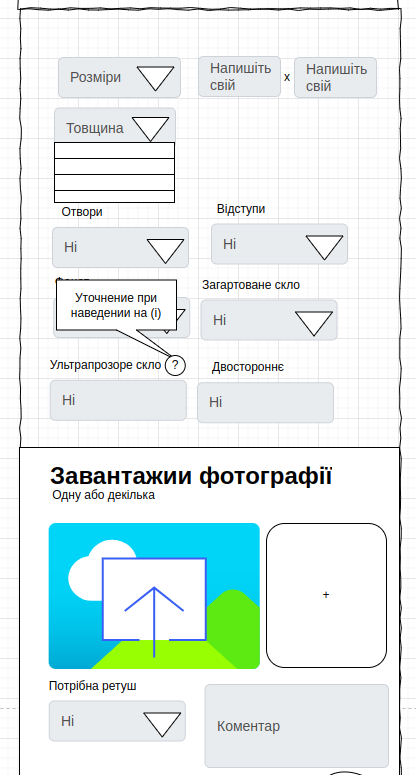
In such projects, it is especially important to correctly design the catalog structure, product cards, order parameters, request states, and approval points. Otherwise, managers will later manually rewrite data, clarify the same thing over the phone, and save the order at every second step. We also solve architecturally similar tasks in Carveli, where manufacturing, sales, and product configuration are combined, as well as in FORMA BPM, where the logic of the request route itself and the transition between stages is important.
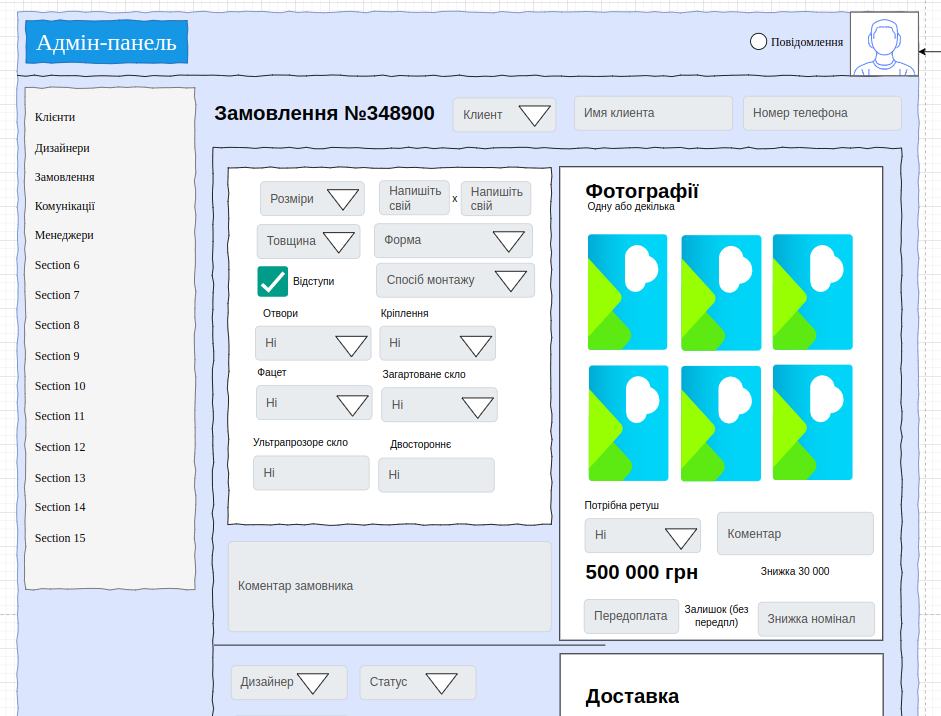
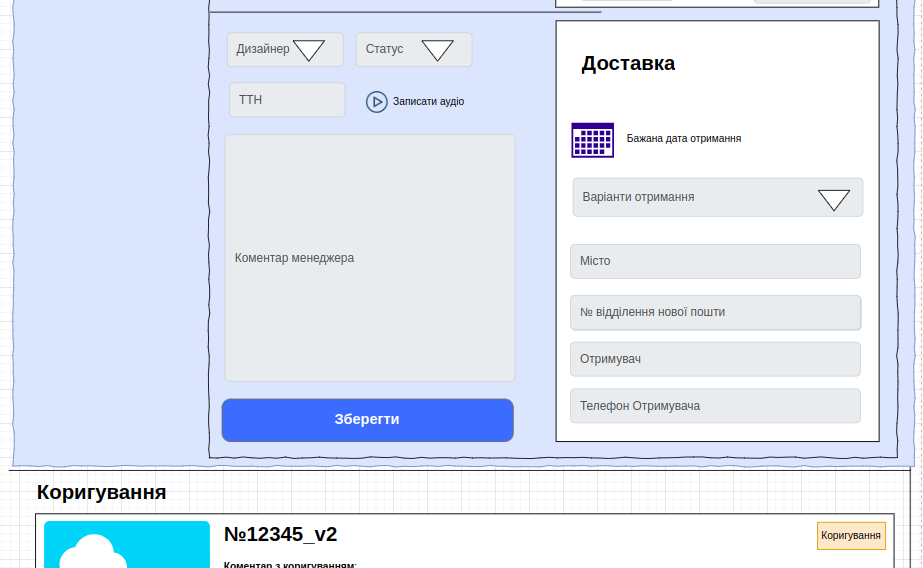
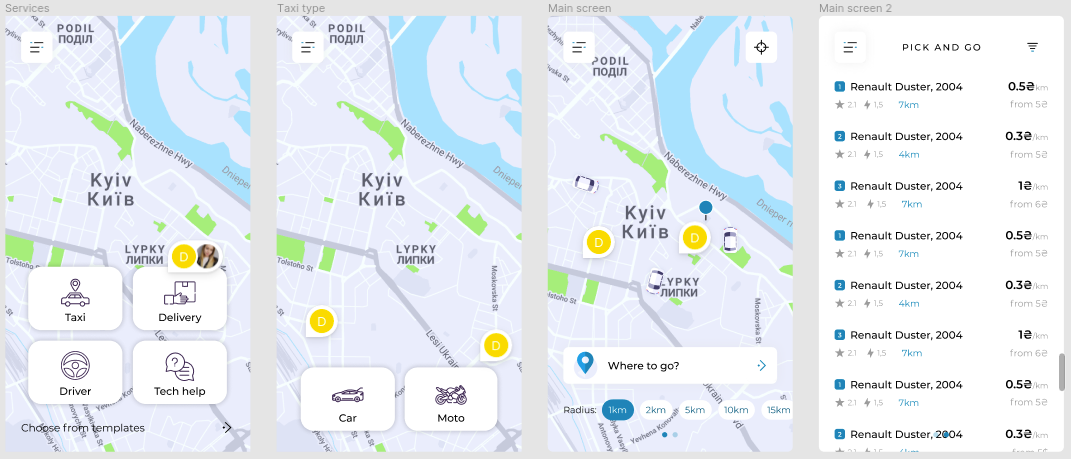
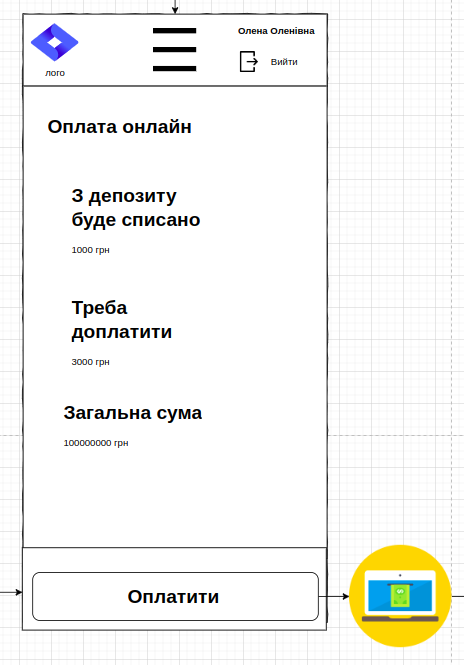
Judging by the set of screens, already at the prototype level we were thinking through not only the appearance, but also the future behavior of the system: what data is entered, what is connected to what, where the user sees the status, where parameters are selected, what the sequence of actions should look like. This is normal design. Not drawing for the sake of beauty, but assembling a digital route along which the real business will then travel.
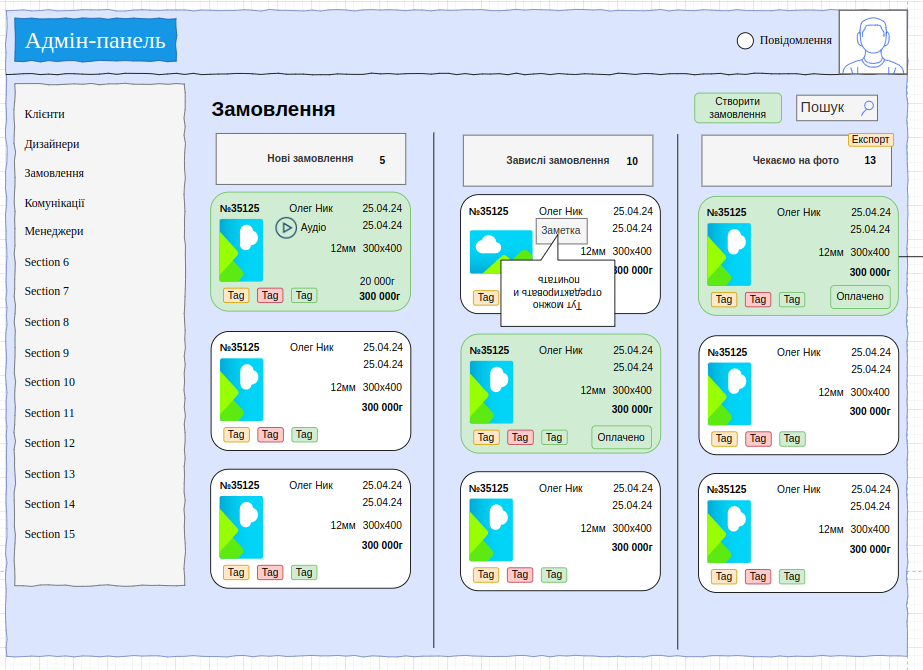
Application for managers: sales, control, and less manual shamanism
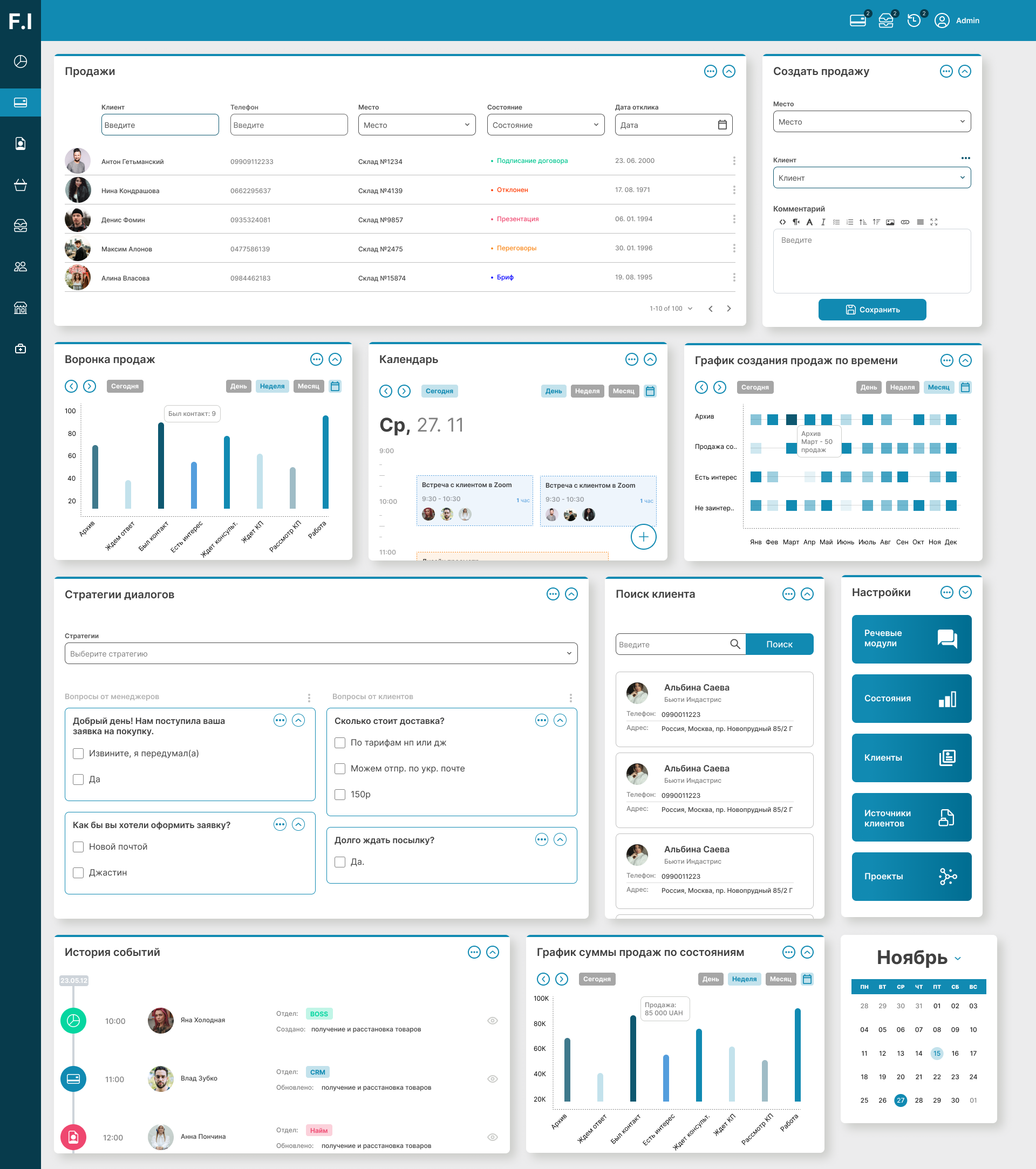
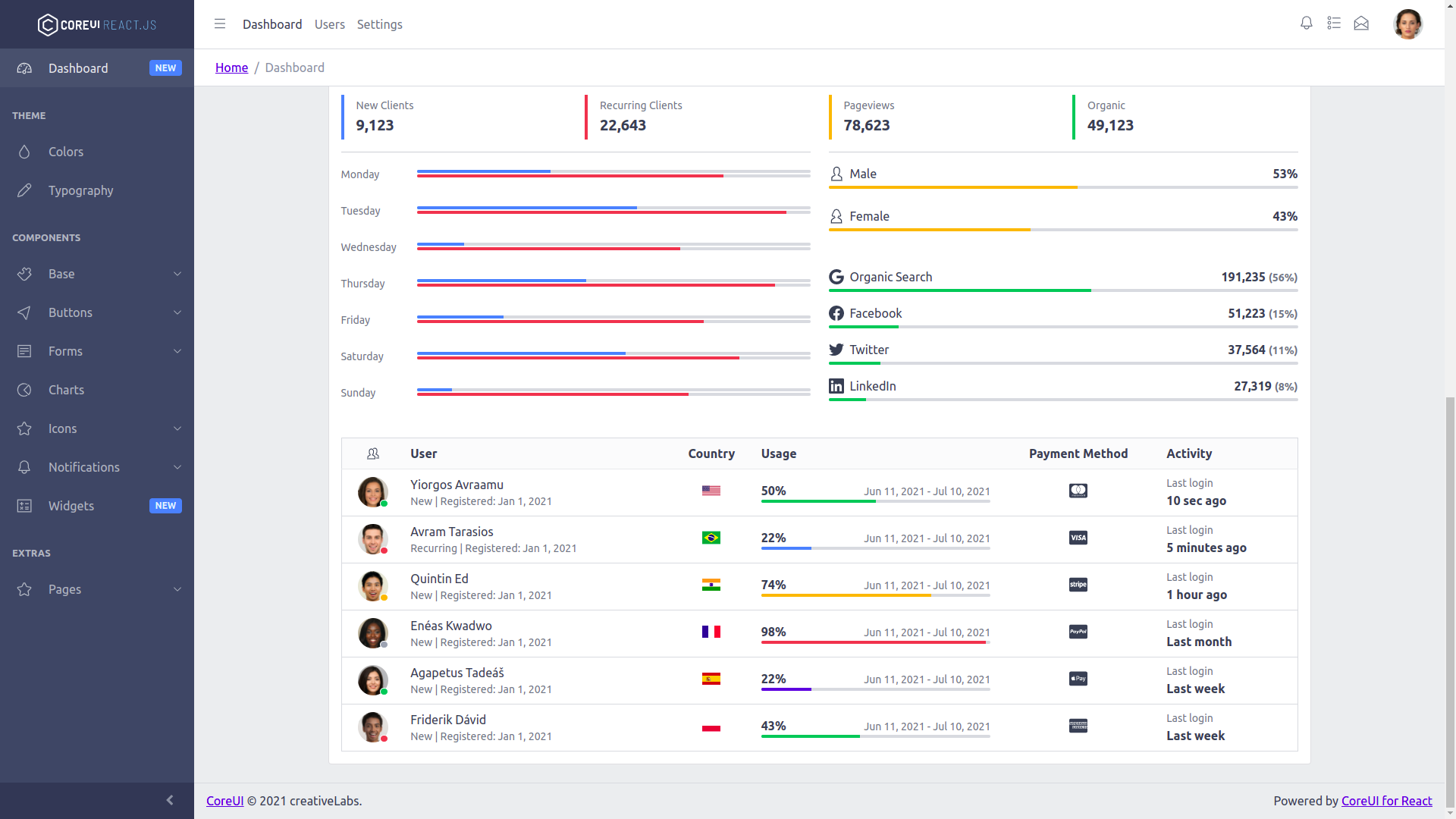
A separate large layer of work concerned the interface for sales managers. Because if the client account is a neat facade, then the manager's interface is the control room, where everything is already visible: order composition, processing stages, approvals, statuses, comments, corrections, deadlines, and bottlenecks.
It is not enough for a manager simply to see that an order exists. They need to understand what stage it is at, what has already been approved, where the layout has stalled, whether there are errors in the source data, what has been passed to the designer, what is awaiting confirmation, and what can already be sent further down the chain. If this is absent, the company lives in a mode of constant clarifications, repeated questions, and local fires. And that is expensive, stressful, and very exhausting for the team.
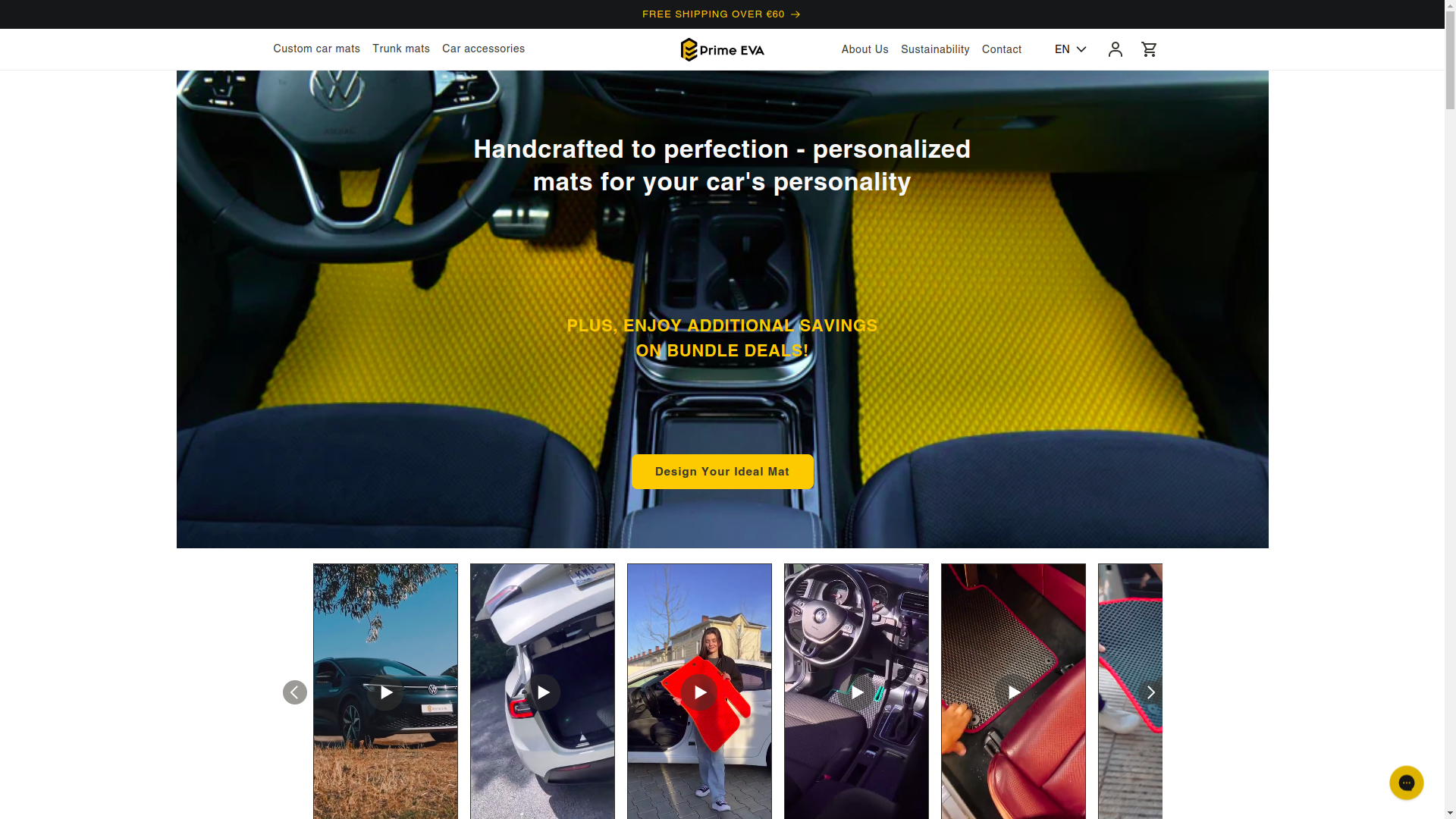
This kind of logic for modular corporate software is also familiar to us from other projects - for example, from platFORMA, where it is important to connect the company's internal departments into one manageable system, and from Prime EVA, where the digital circuit directly helps production and accounting, rather than simply decorating processes with beautiful screens.
This is exactly where system analysis is especially important - that is, analyzing not only which screens the user likes, but also how information passes through the company. Where duplicates appear. Where an employee makes a decision. Where a check can be automated. Where actions need to be logged. Where it is important to provide quality control. Because in a manufacturing and commercial system, an interface error later turns not into an abstract bug, but into lost time, a spoiled order, or a conflict with a client.
Application for designers: where creativity must be friends with the process
A separate interface for designers was necessary not out of whim, but out of common sense. Photo design in such a company is not a decorative side application, but one of the central stages of value creation. And if the designer works outside the system, the business immediately gets the good old mess of files, forwarded messages, confusion in versions, lost comments, and endless clarifications about who meant what.
Therefore, the designer module was designed as part of the overall circuit: with a clear link to the order, states, layouts, corrections, and approvals. In other words, the task was not just to show a beautiful form, but to embed creativity into a manageable process. So that the designer could work freely, but would not fall out of the company's overall logic.
And this is where the most interesting part begins. When a business sees such a breakdown by roles and processes for the first time, it becomes obvious that previously the company had not lived in a system, but rather in a set of habits. Somewhere employees already understood everything intuitively, somewhere experience saved the situation, somewhere individual strong people held the situation together. But it is hard to scale on such a foundation. It is like building a workshop on memories and the hope that Vasya still remembers where to throw the needed file.
A 98-page TS: not a wishlist, but an engineering document
One of the key results of the project was a detailed 98-page technical specification. And this was not a TS in the style of make it beautiful, fast, and so everything works. The document described not only functional requirements, but also requirements for system quality - that is, for stability, predictability, structure, roles, limitations, standards, and rules for system development.
This is a fundamentally important point. Because a good project is not just a list of screens. It is also an answer to the questions: how data consistency is ensured, how to scale the product, how to record events, what rights roles have, where limitations should be, how the system will behave in disputed situations, what standards need to be followed, and what is considered a correct result. This is already mature development, not an attraction with a button saying make me an application.
At the end of the project, a budget estimate was carried out and several implementation options at different fixed-pricecosts were proposed. For the customer, this is especially important: when the system is complex, you want not only a beautiful concept, but also a clear implementation route with different cost scenarios. This approach allows you to choose a comfortable launch depth: from a more compact option to an expanded implementation taking into account all modules, roles, and integrations.
As a result, this project became not just a set of screens, but a full-fledged architectural elaboration of a digital product for a manufacturing and commercial company. We helped the client see the future system as a whole: where the client enters the process, how managers work, how the designer is embedded, how the order moves, which requirements are critical, and how much different implementation scenarios cost. And this is already a completely different level of conversation with a contractor. Not about draw us something, but about let's build a system that can later be relied upon.
If you also need not a decorative interface, but a serious product elaboration - with a process audit, architecture, prototype, TS, and a clear fixed-price estimate - go to Ingello Systems. There you can see how we approach design, study the principles of work, reviews, and leave a request for a free consultation.