 Разработка ПО
 Менеджмент
 Для компаний
 Для стартапов
 Архитектура ПО
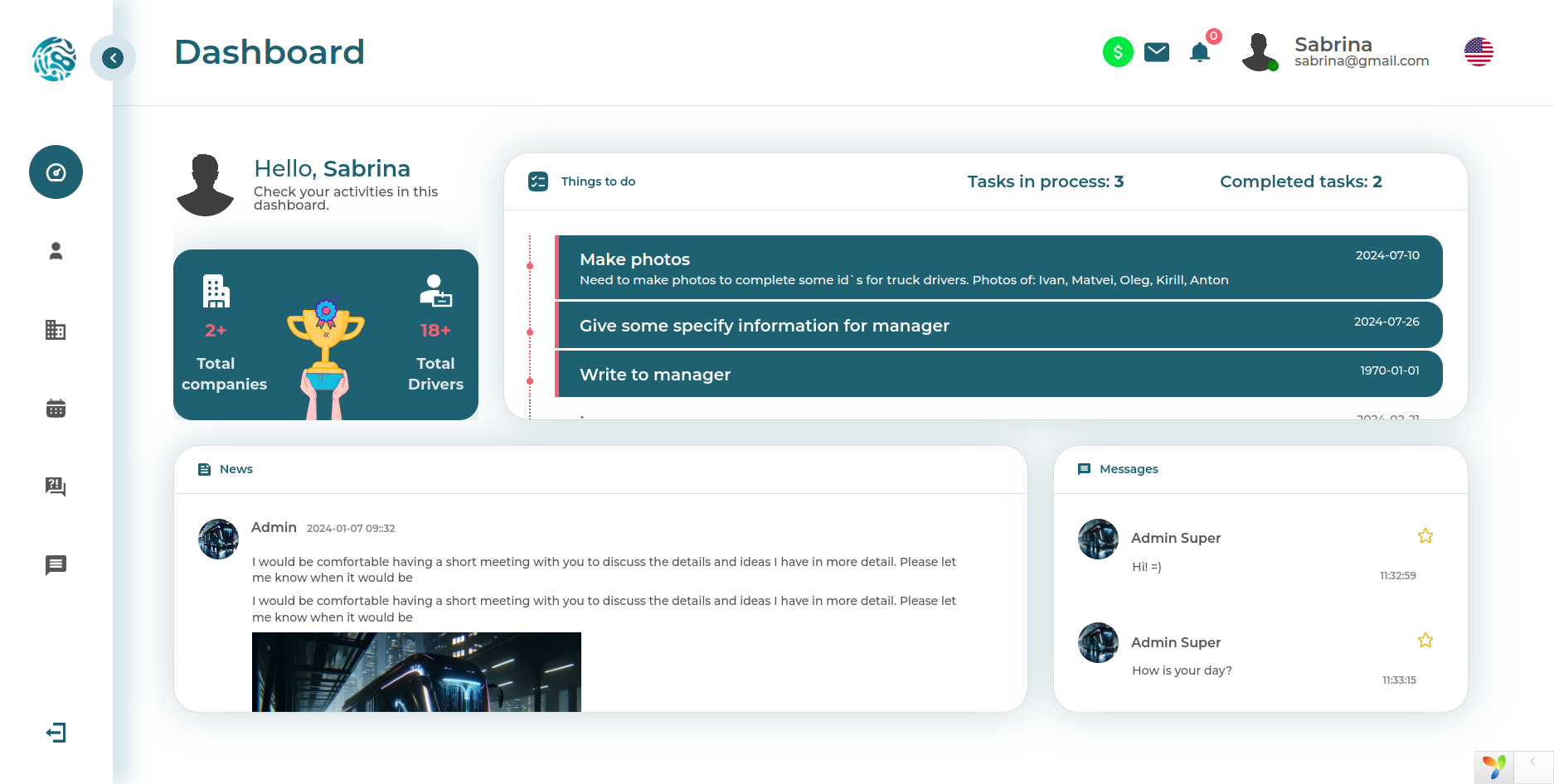
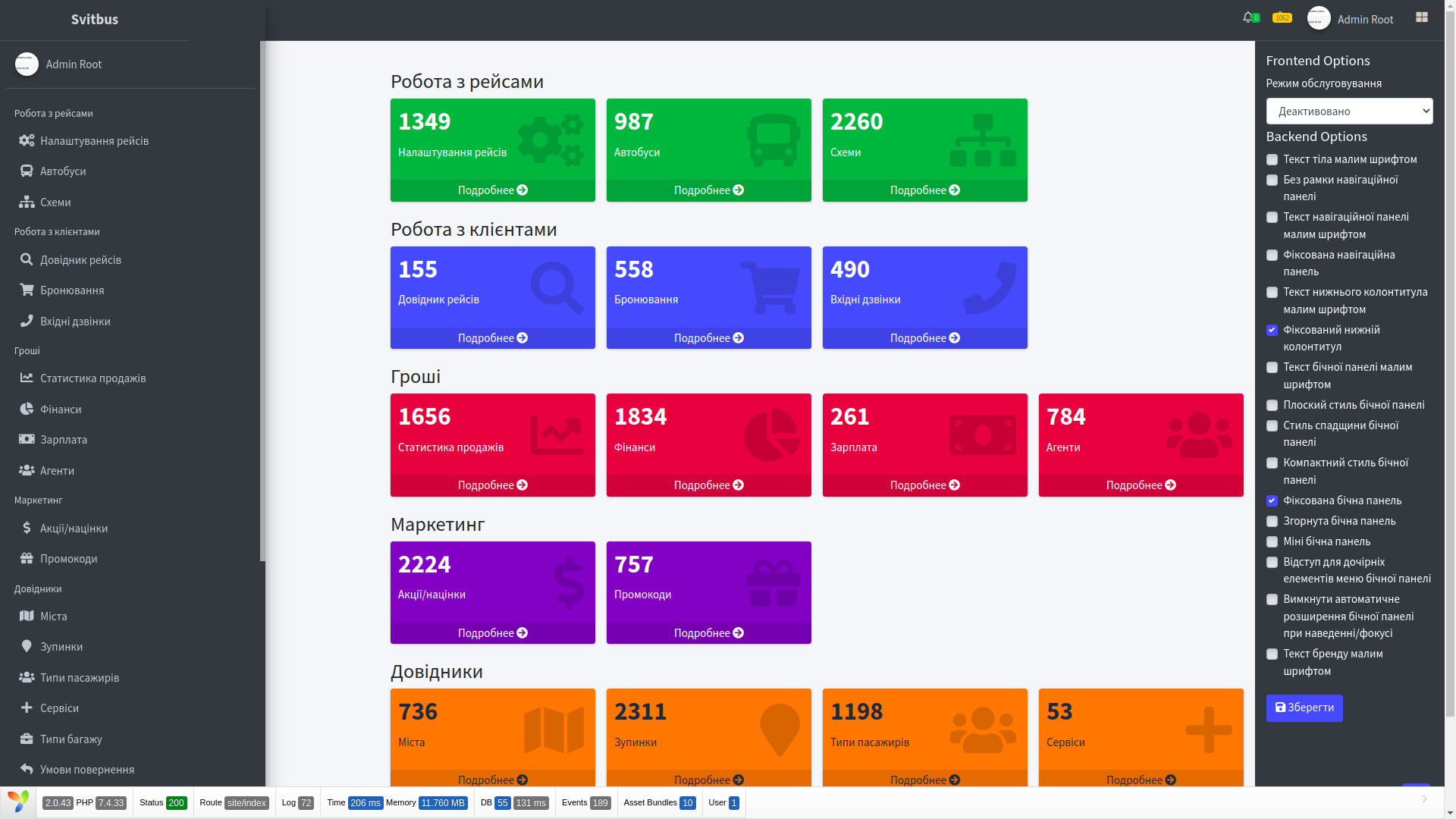
IKS Holding is a large construction holding operating in Germany. For confidentiality reasons, we cannot disclose important aspects of the holding’s work protocols, so this will be a general overview of the standard functionality of the corporate system at the prototype stage. As part of the cooperation, we provided the following services: -A series of analytical consultations (4 pcs). -Development of the data model. -Development of the algorithm model. -Development of the technical specification for the management system. -Development of the technical specification for visual interfaces. -Development of non-functional requirements. -Adaptation of the contract to the technical specification. -Creation of a CRUD admin prototype. -Visual design and prototyping - 2400. -Development of a design system. -Development of a system of connected screens. -Screen detailing. -Creation of reusable components. -Layout of clickable mockups.
Оглавление
- Corporate system for a developer and construction holding company
- Map of construction sites and project navigation
- Authorization and secure user login
- Catalog of construction projects with filters
- Panel for launching new projects
- Work planning, services, contractors, deadlines, and areas
- Preliminary assessment of work before construction starts
- Document management by project phases
- Status control of contract work
- Search, filtering, and comparison of contractors
- Sale of properties through brokers
- Managing holding companies and the accounting contour
- Additional navigation and administrative subsystems
- Access rights administration
- Directories, templates, and unified data
- Event chronology and change control
- What the client received in the end
- Project technologies
Corporate system for a developer and construction holding company
For the client’s convenience, we recorded a video overview of the project. This is useful in cases where the system already goes far beyond a regular CRM: there is an object map, contractor management, document management, sales, accounting contours, and administrative subsystems. In other words, this is not just a website, but the digital headquarters of a construction company =)
We created this project as a multi-module corporate web system for managing construction sites, contract work, the holding’s internal companies, and accompanying documentation. Products like this are rarely simple: the business inside them does not live in a straight line, but like a large knot of pipes, valves, and sensors. Somewhere an estimate is leaking, somewhere a document gets stuck, somewhere a contractor promises mountains of gold, but in reality even forgets to bring gloves.
That is why the system architecture was built around process transparency, controlled statuses, and a single decision-making point. We also solved similar tasks for managing assets and related legal entities in the case Europe, and if you are interested in a look at real estate automation in a more agency-oriented format — see C-Estate.
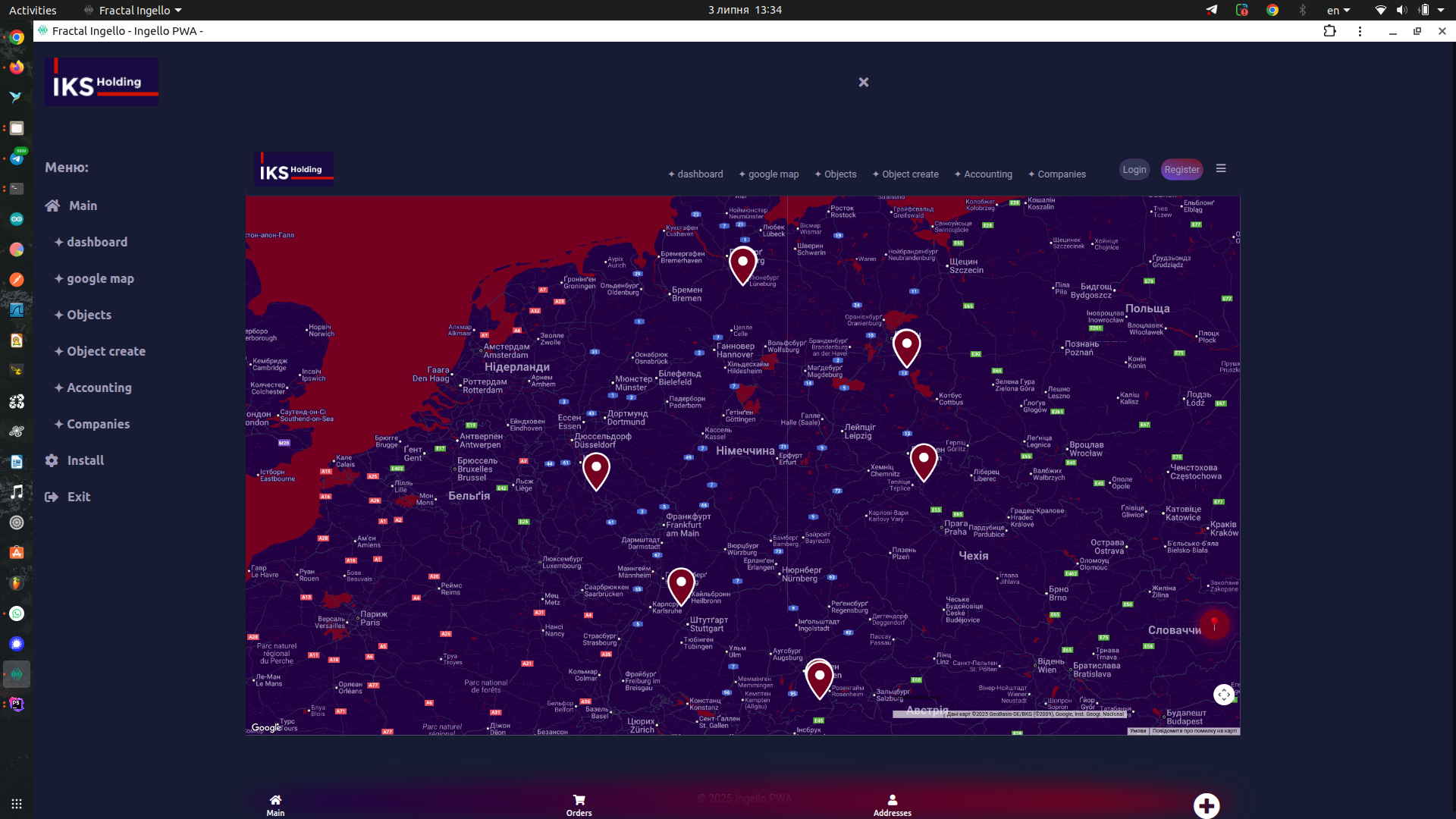
Map of construction sites and project navigation
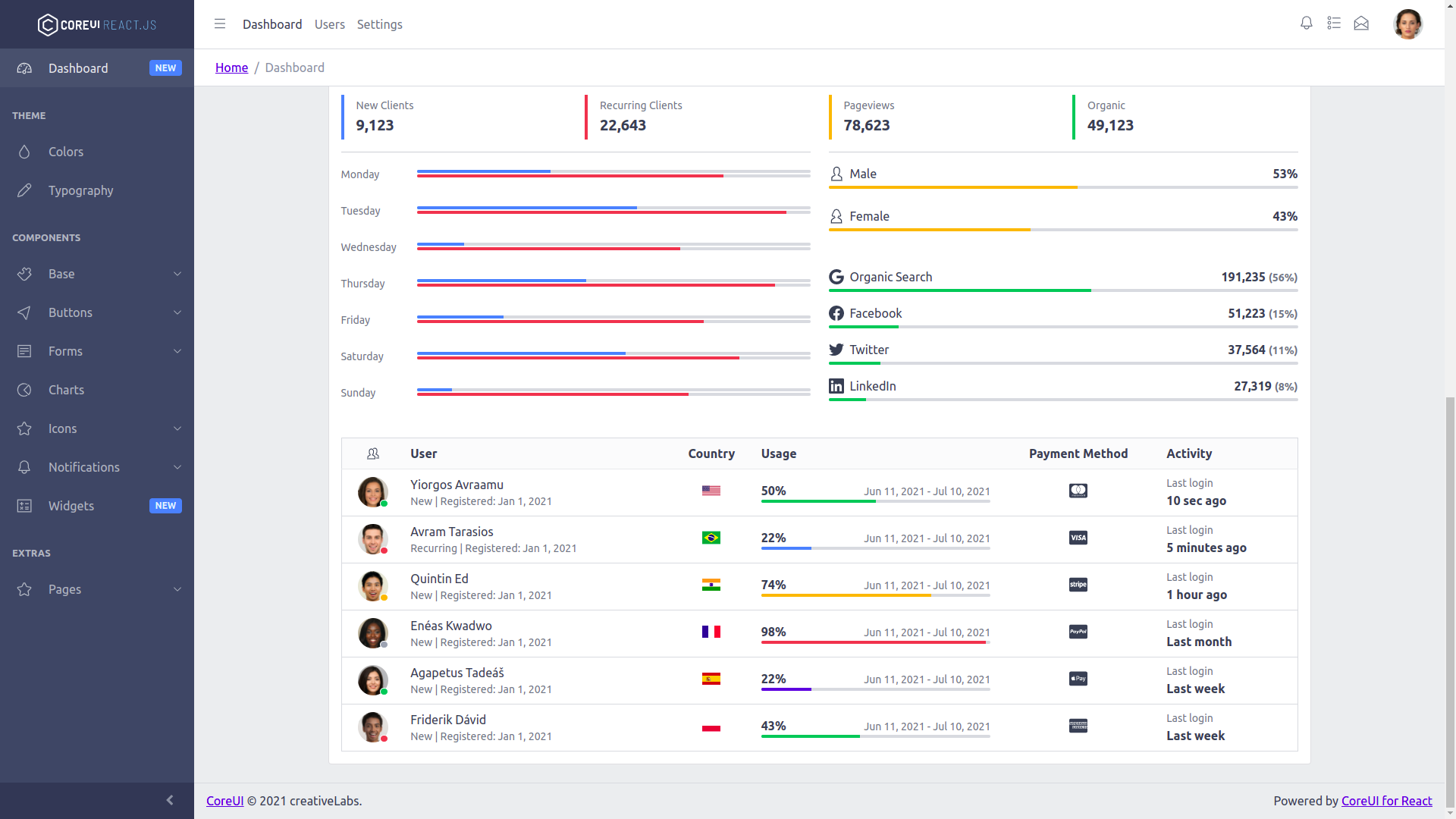
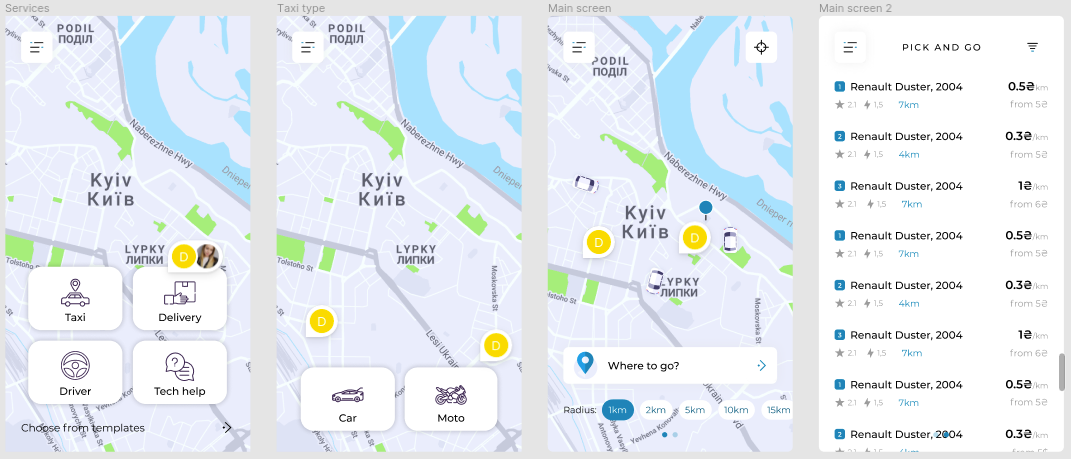
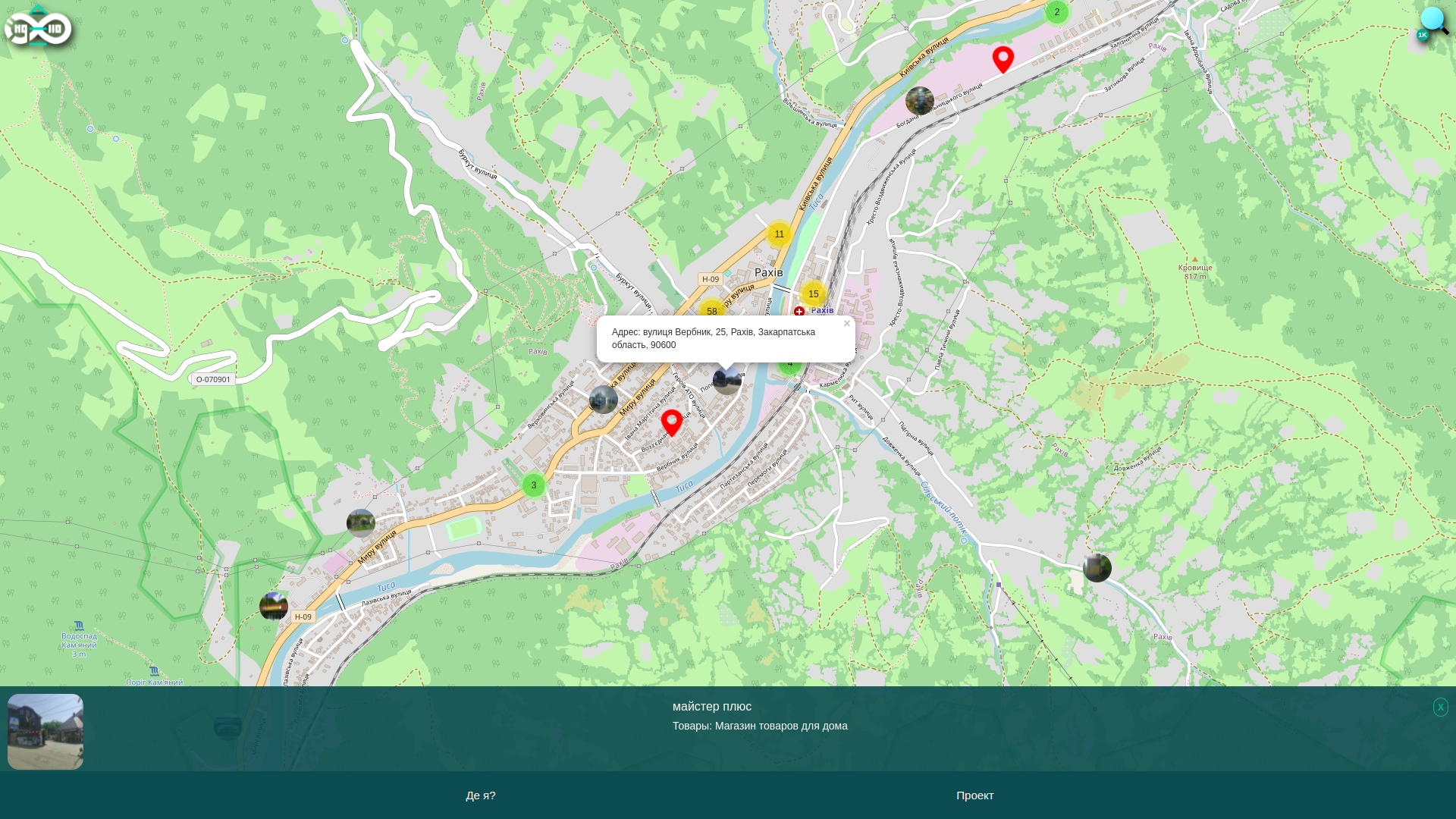
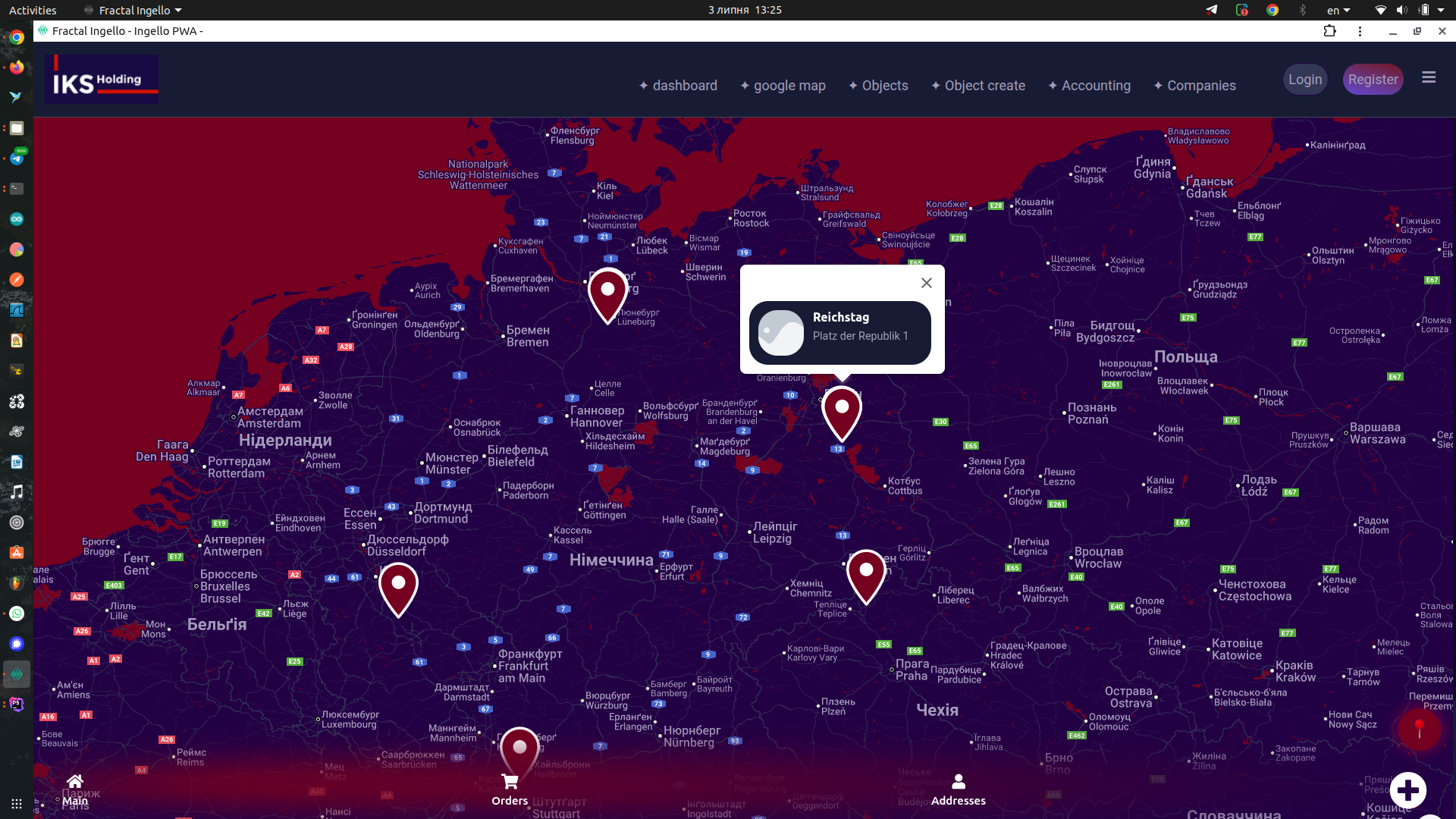
One of the central screens of the system is the object map. It works as a geospatial interface (that is, a screen where data is tied to real points on the map). The manager sees not an abstract list, but the real picture of the business: where the objects are located, what status they are in, and how quickly it is possible to go into the details of a specific project.
Authorization and secure user login
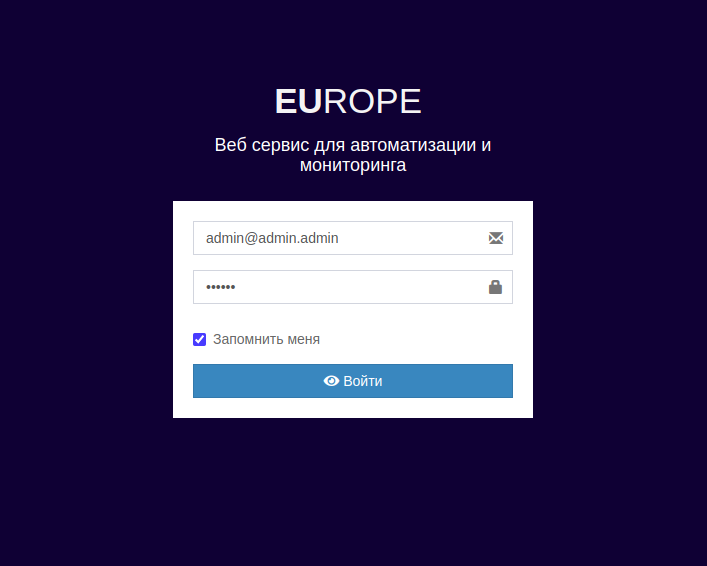
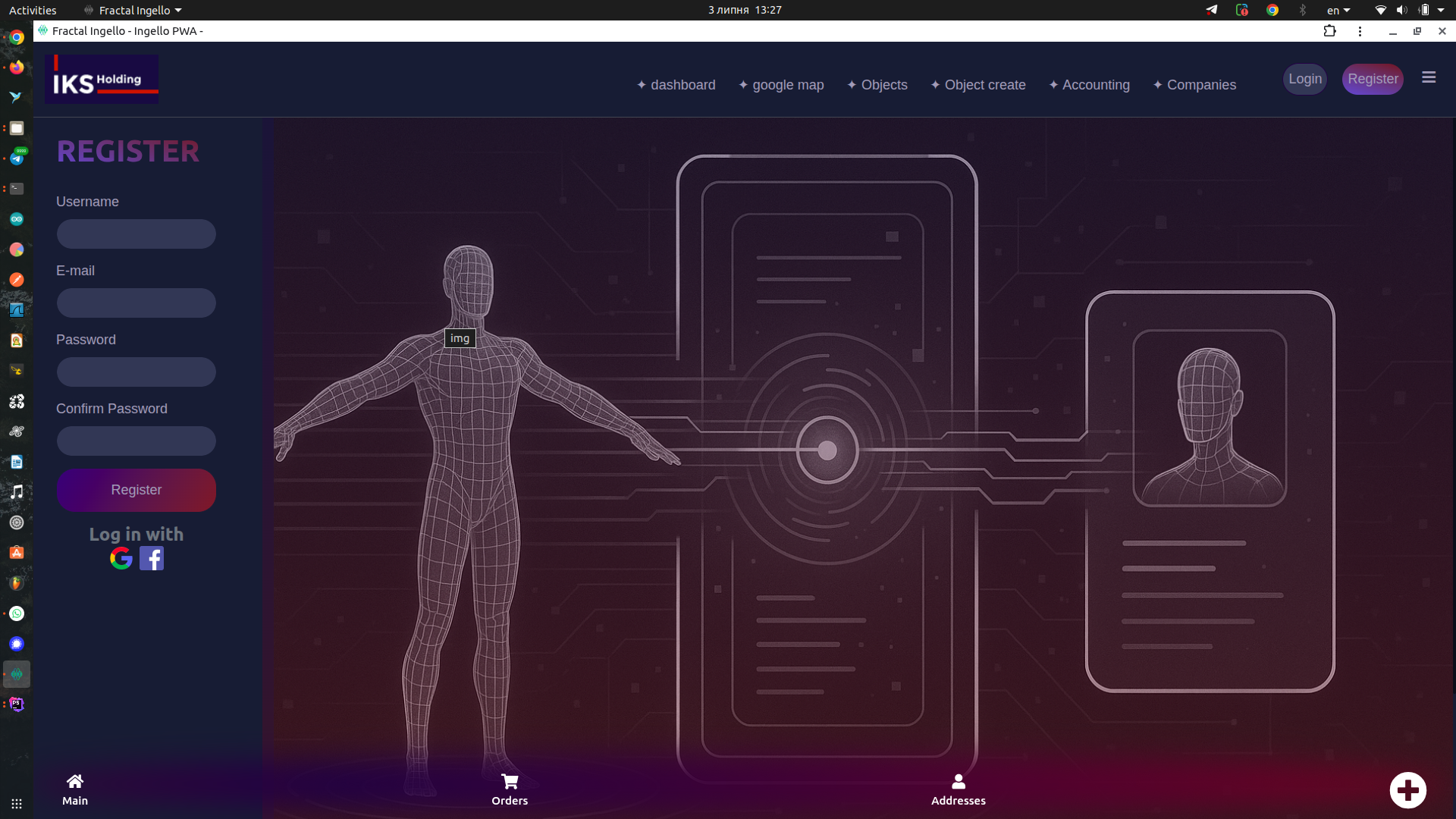
For corporate software, security is not decoration, but the foundation. The system implements user authorization, and for certain scenarios, secure authentication by certificates. This is PKI authentication (login by digital keys, not only by username and password), which is especially important where there are legally significant actions, internal documents, and sensitive data.
Catalog of construction projects with filters
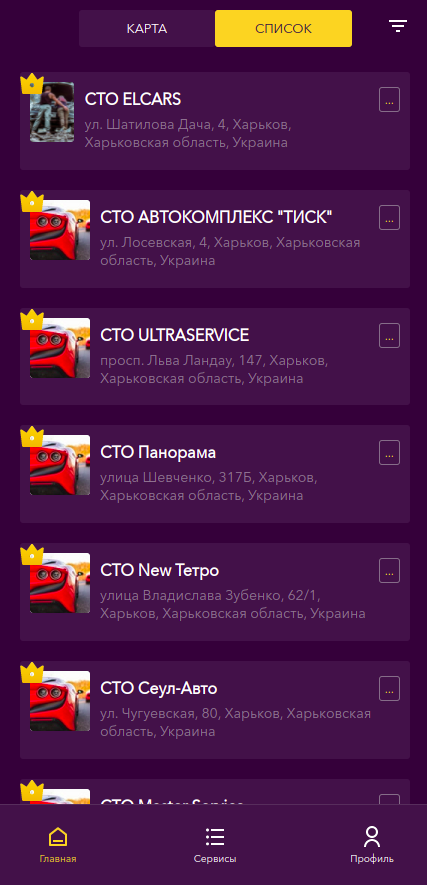
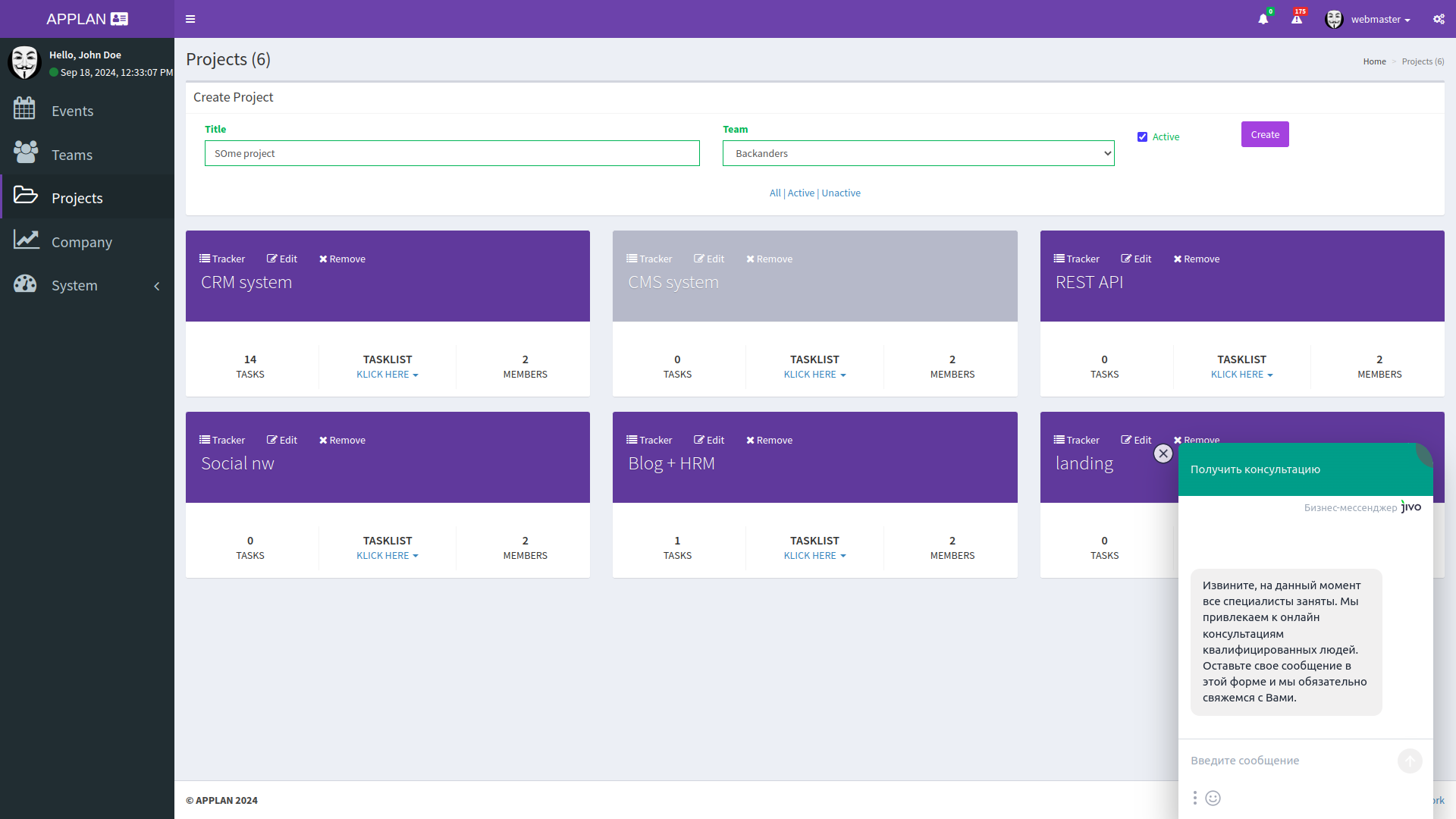
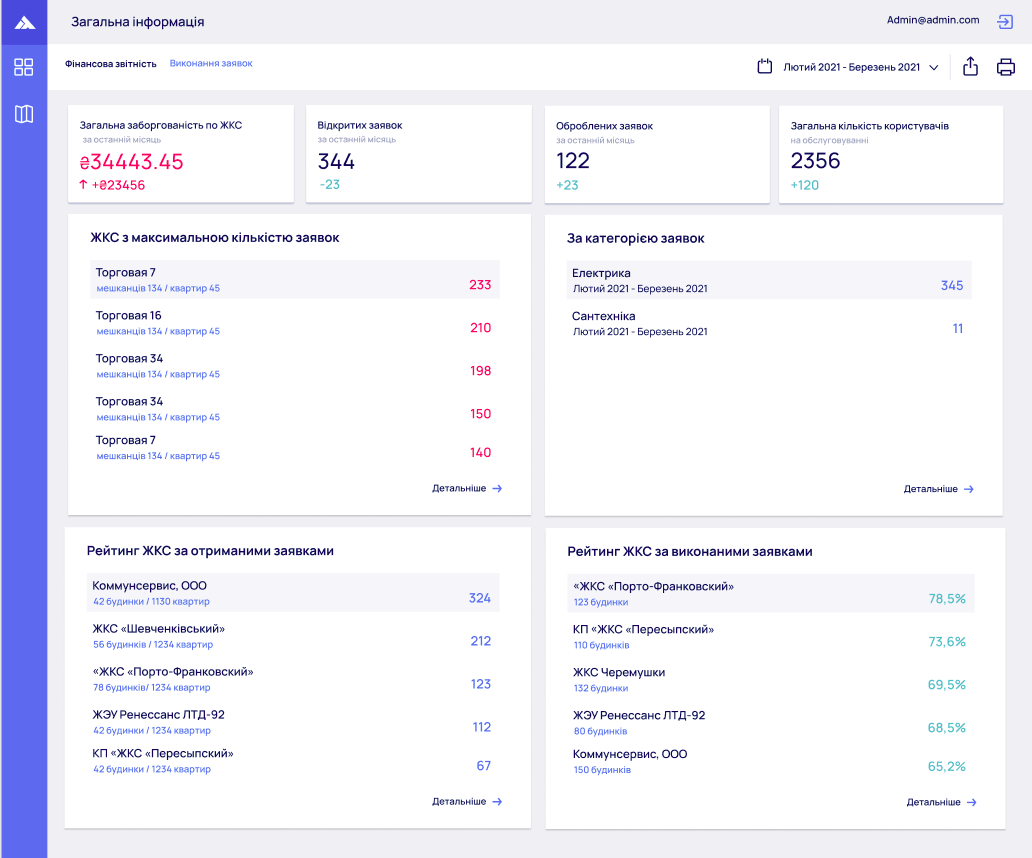
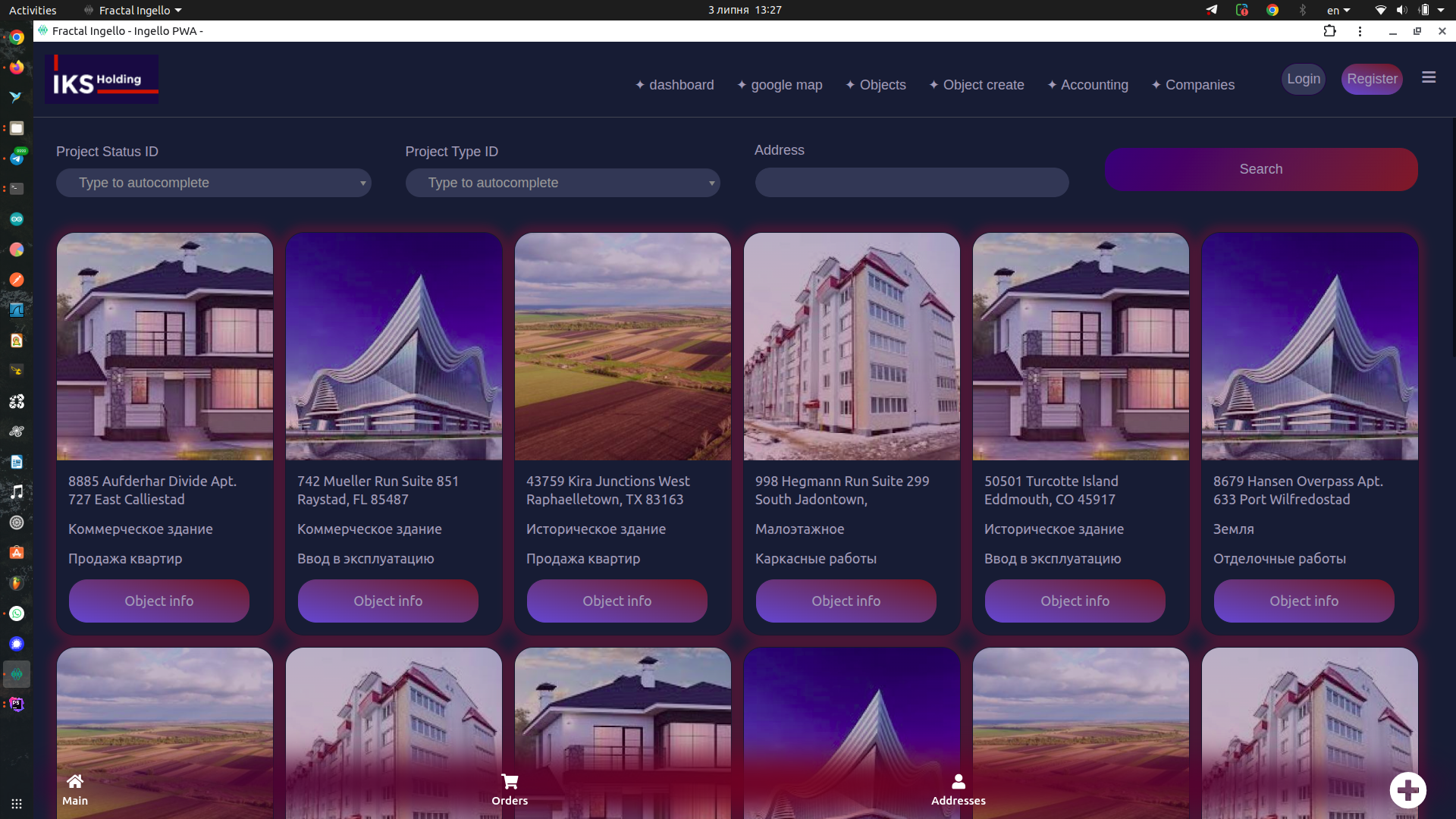
The object list is not just a table for the sake of a table. We made project cards with filtering by types, addresses, statuses, and other parameters. This structure helps quickly find the right construction sites and reduces chaos when scaling the object portfolio. When a company has dozens of projects, an interface without filters turns into a closet that is scary to enter.
Panel for launching new projects
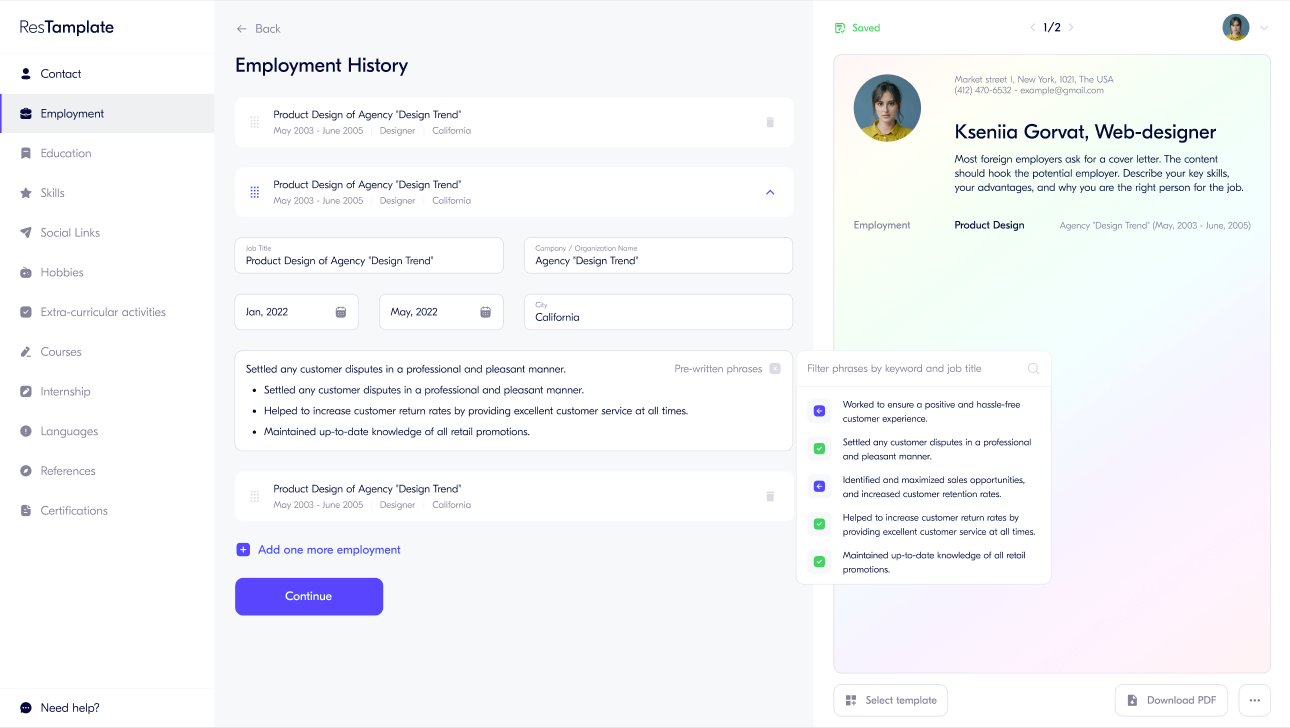
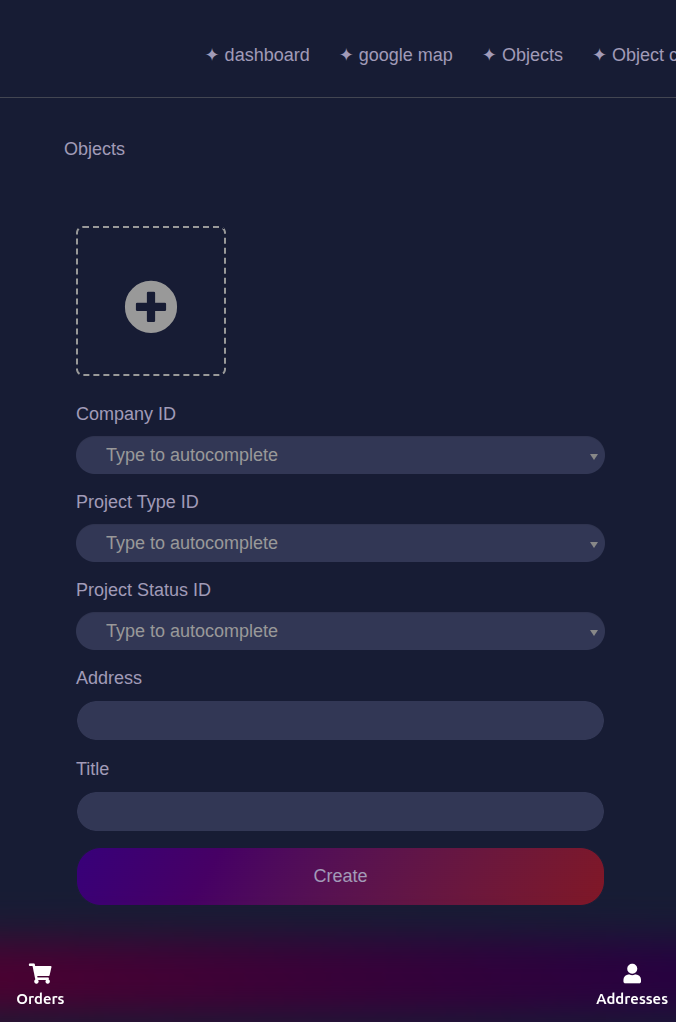
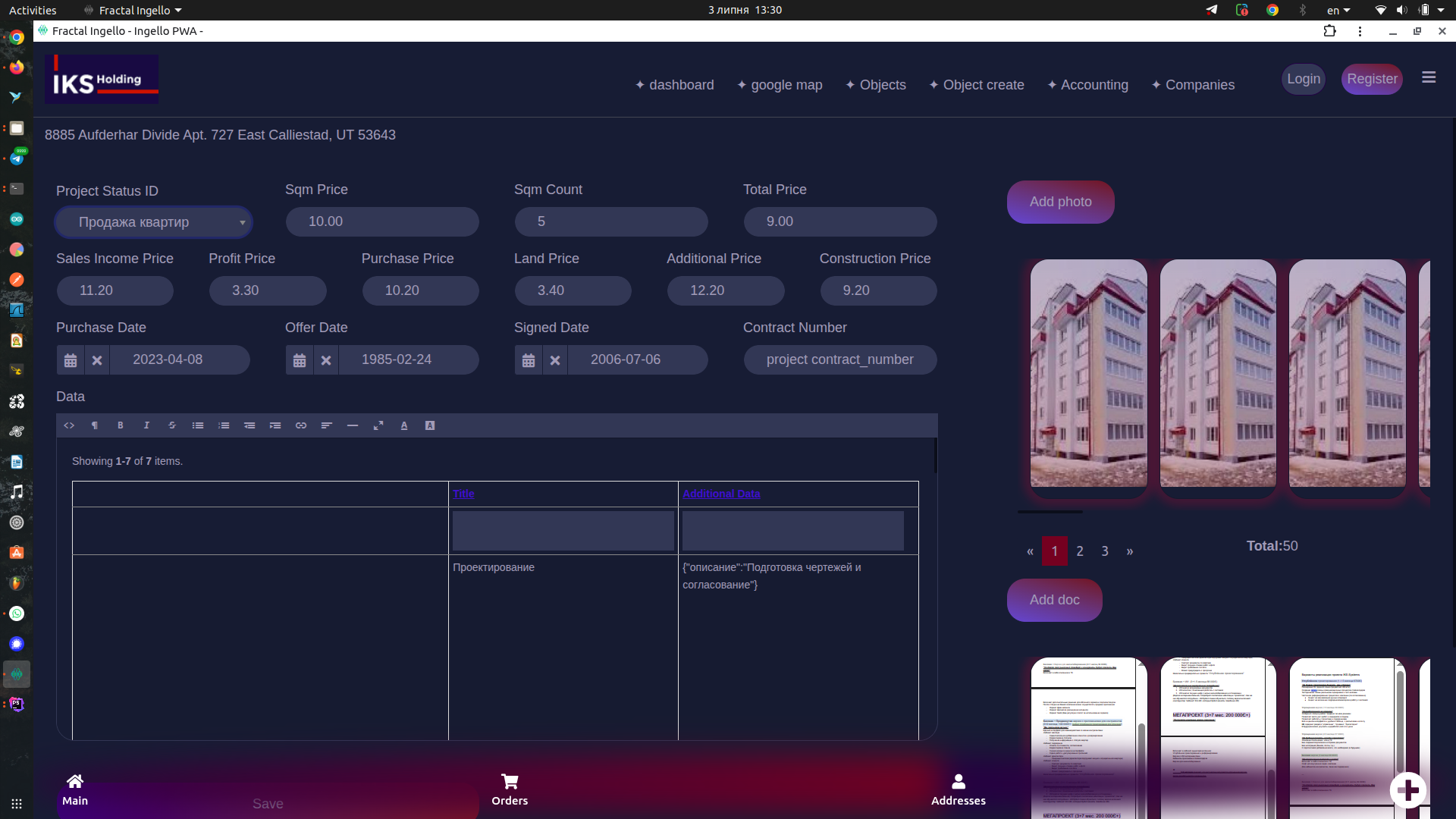
A separate module was created for bringing new projects into work. This is an onboarding flow (a sequence of steps from which a project’s life inside the system begins): basic parameters, addresses, participants, documents, initial statuses, and related business logic. Such a screen greatly reduces the likelihood that a new object will be entered any old way and then become a source of confusion for years.
Work planning, services, contractors, deadlines, and areas
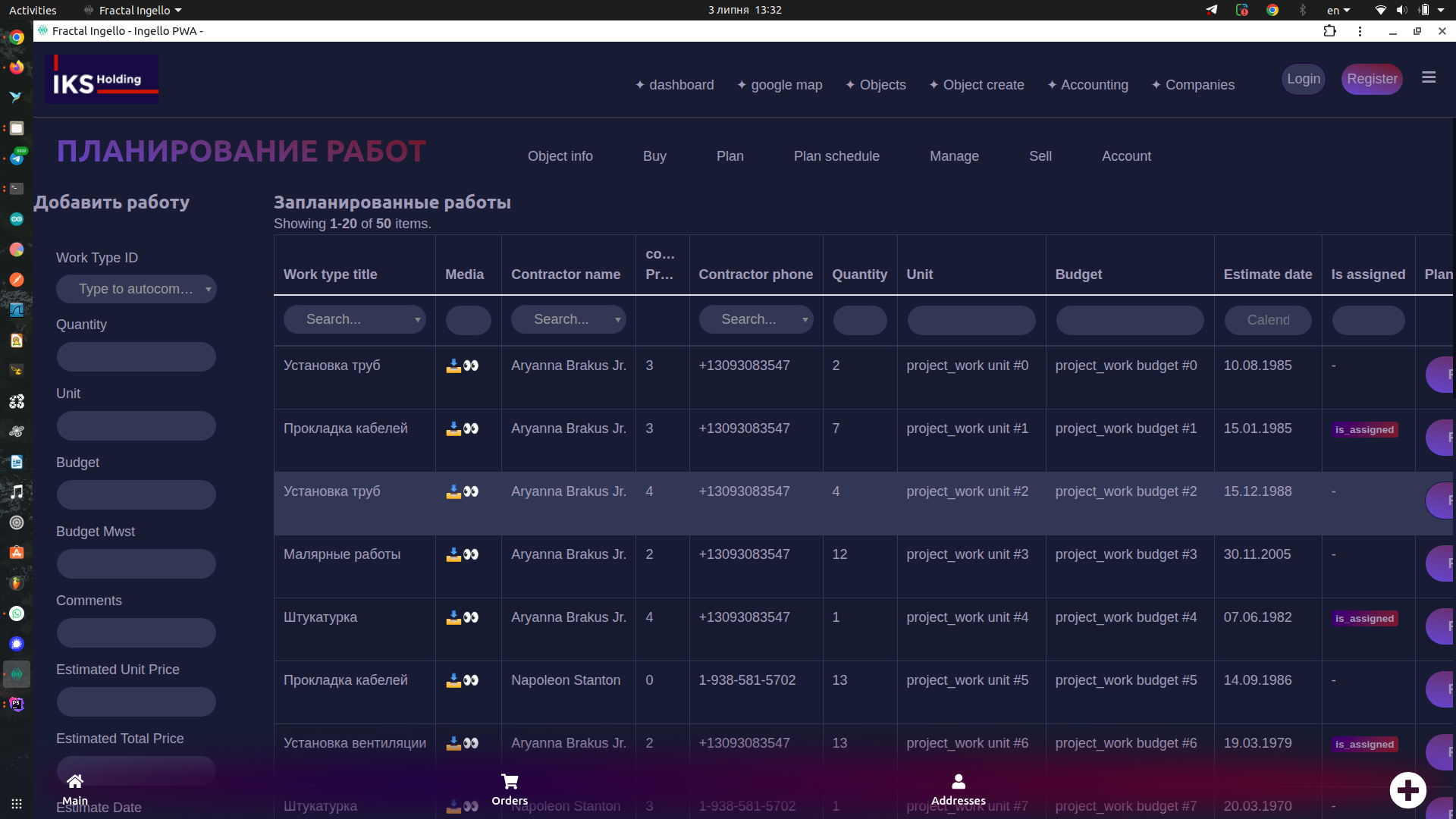
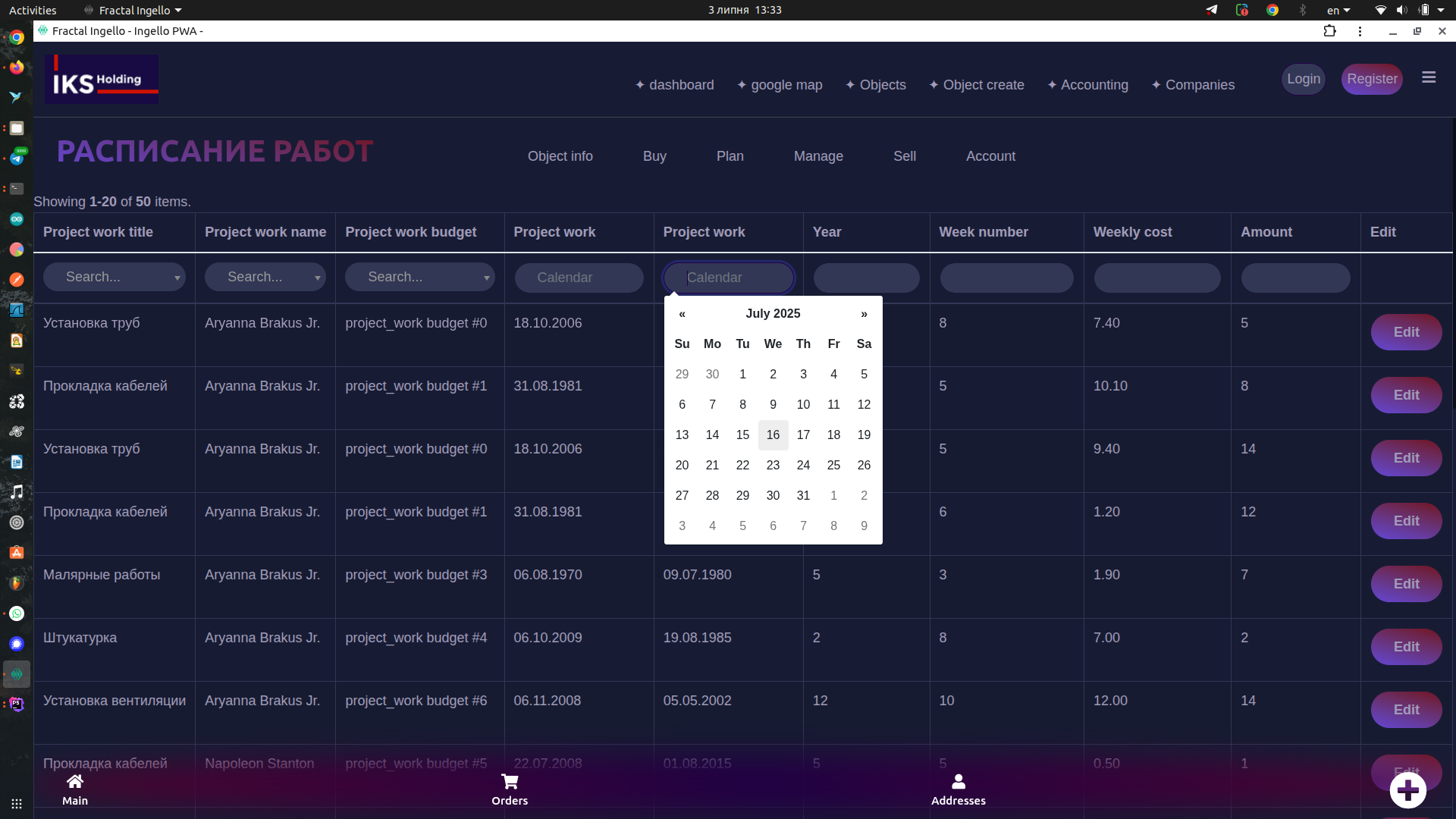
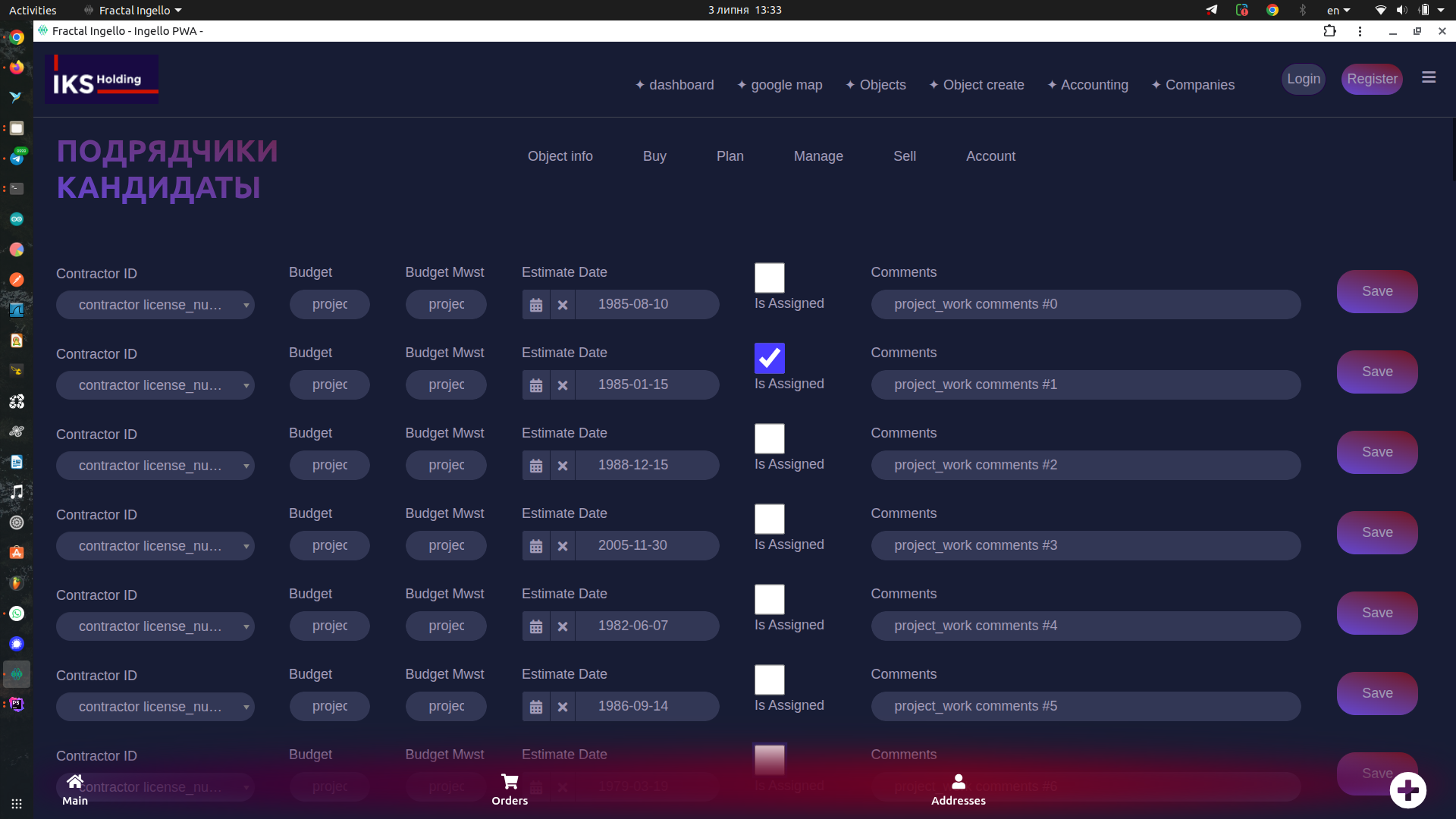
One of the most sensitive areas in construction is planning. Here we made a module in which it is possible to manage project work stages, contractor candidates, deadlines, a set of services, and square meters. This is no longer a decorative interface, but a real operational contour where numbers start affecting money, risks, and management’s nerves.
Preliminary assessment of work before construction starts
Before construction begins, it is important to understand what exactly the company is going to do, how much it will cost, and where a future headache may be hiding. For this, the system implements a preliminary work assessment module. Essentially, this is an early analytical filter: it helps see the project before it begins eagerly devouring the budget.
Document management by project phases
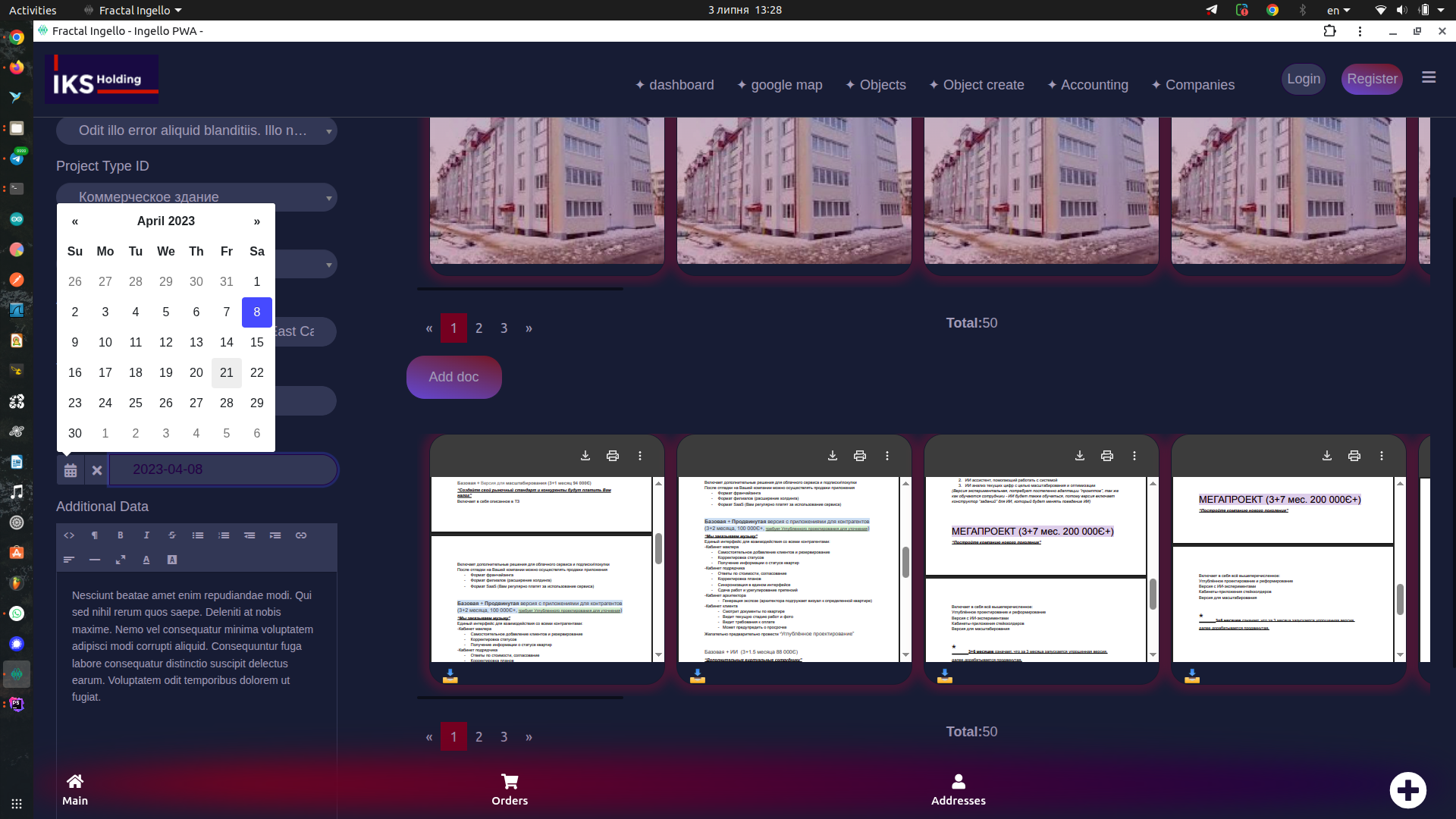
Documents in construction are a separate form of urban mythology. There are many of them, they are tied to stages, they need to be approved, signed, printed, stored, and quickly found. That is why we gathered documents by project phases into a unified system with preview, printing, and signing capability. This is a document pipeline (a document conveyor that moves through understandable stages instead of getting lost in folders with names like final_final_7).
Status control of contract work
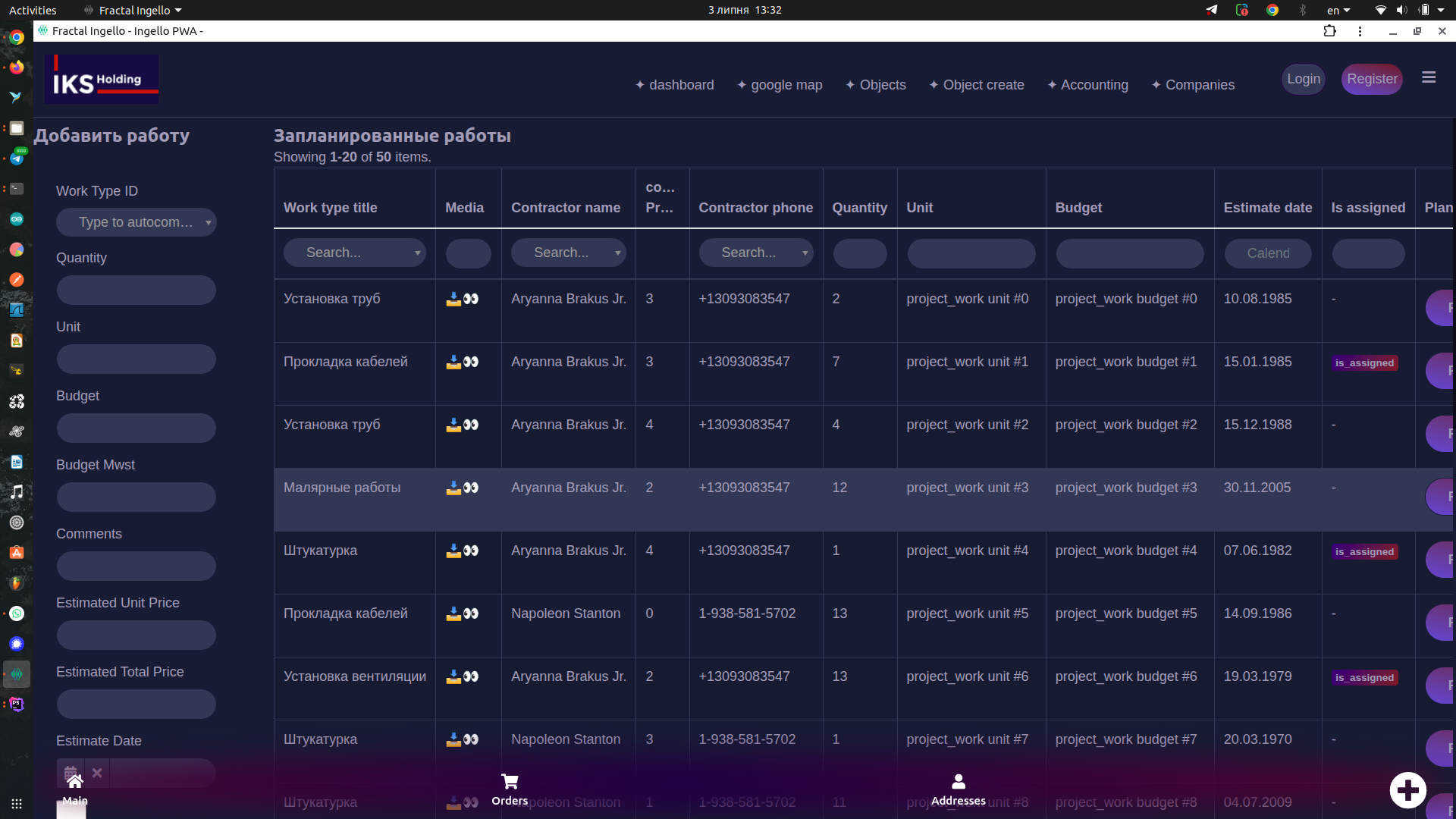
For selected contracts, a separate overview of planned work statuses is implemented. This helps see what has already been approved, what is in progress, what is slowing down, and where there is a risk of missing deadlines. Such monitoring is especially important for project management, when one small hold-up at the bottom of the chain can turn into a big and expensive performance at the top.
Search, filtering, and comparison of contractors
Contractors are a separate universe with their own promises, terms, rates, and human factor. The system implements convenient search and filtering by contractors, as well as a separate price comparison interface with ascending sorting. These are already elements of a decision support system (a system for supporting decision-making), when the manager receives not noise, but a structured picture for choosing.
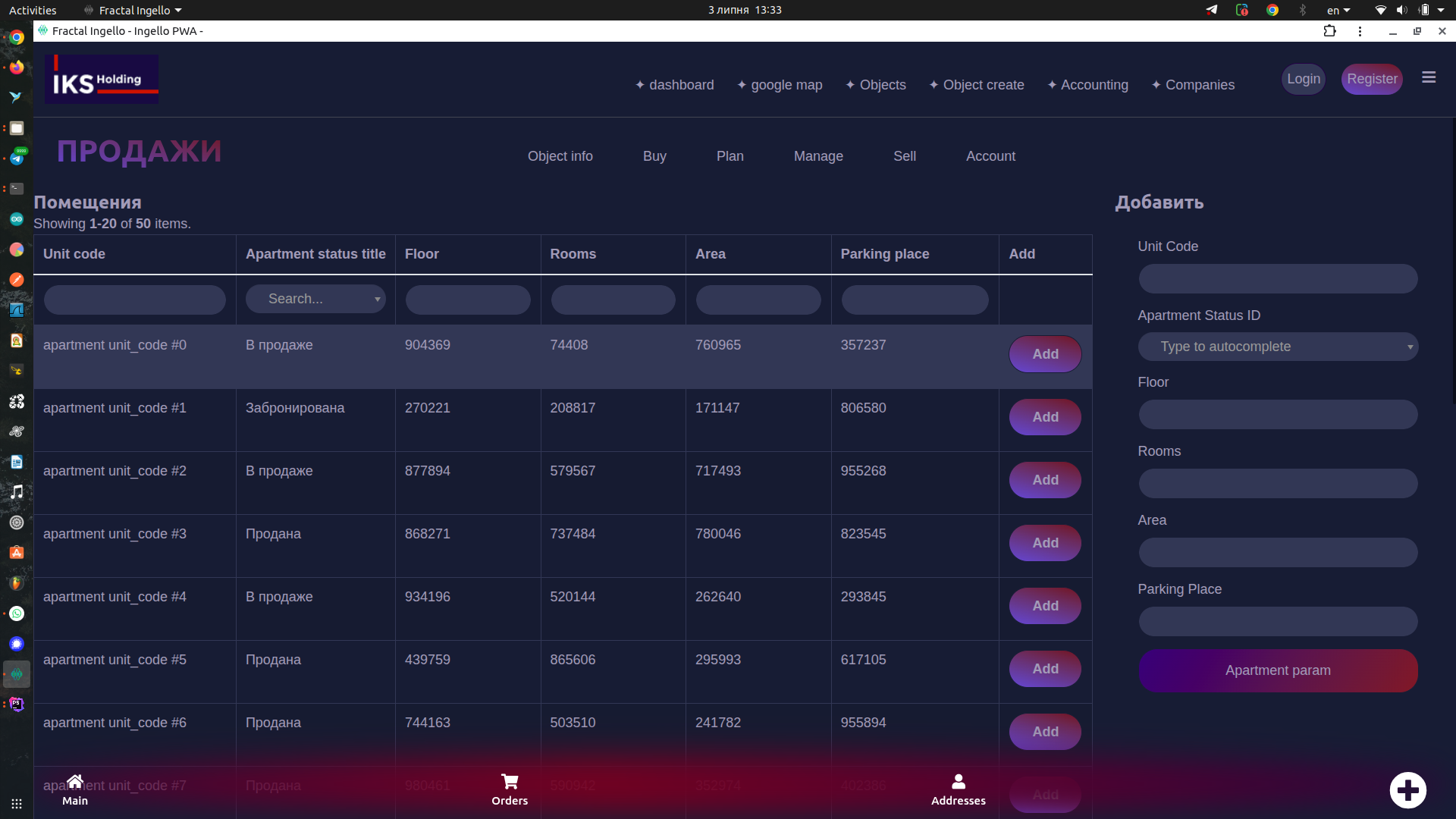
Sale of properties through brokers
The system covers not only construction and internal processes, but also the sales contour. For this, functionality for working with brokers and property sales was implemented. That is, the product became a connecting layer between the operational part of development and the commercial part of the business. This is especially valuable for companies that want to see not fragmented departments, but a unified digital model of the business.
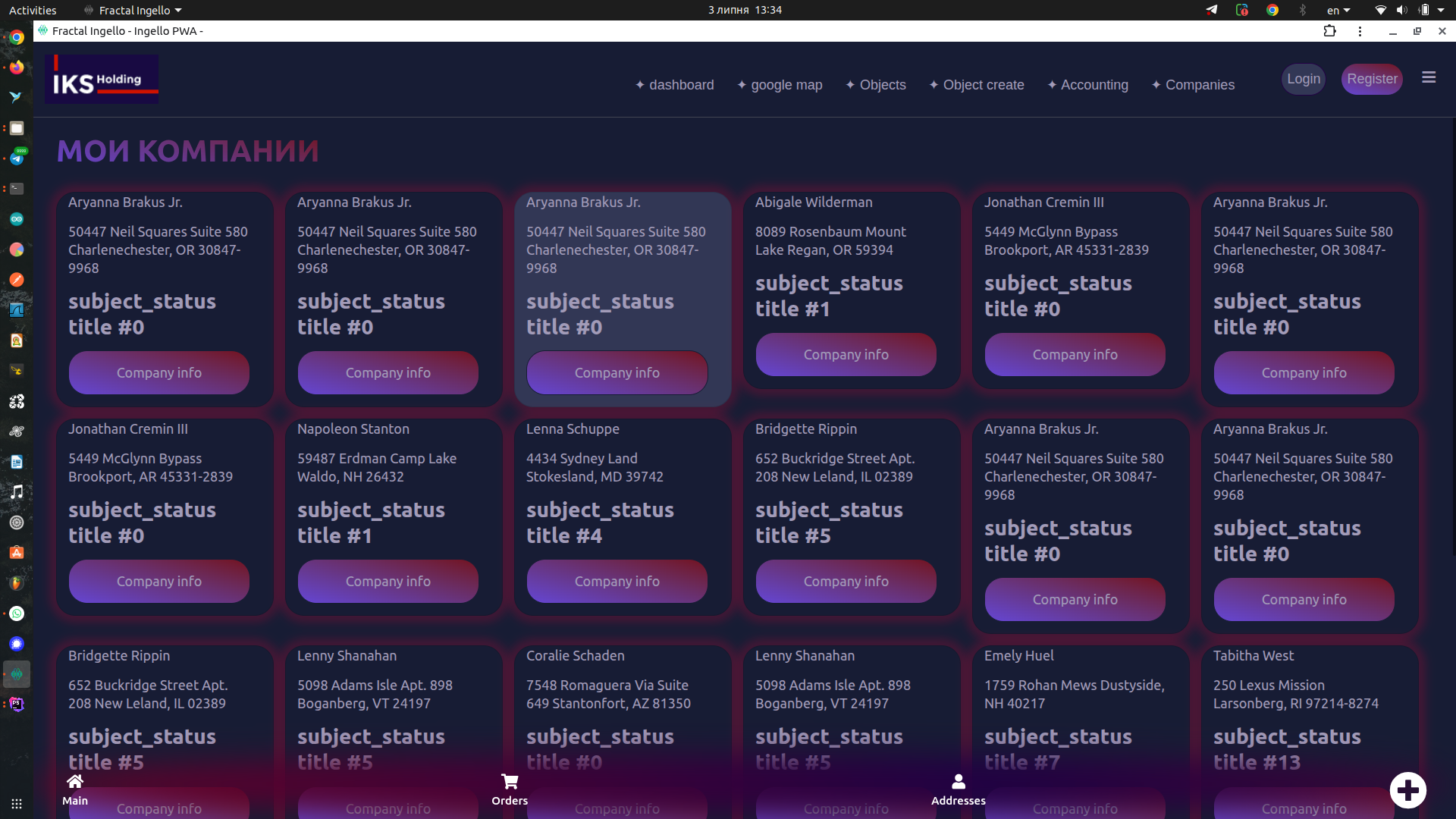
Managing holding companies and the accounting contour
An important part of the project is managing several companies inside the holding and their accounting logic. This is multi-entity architecture (an architecture where one system works with several legal entities at once, but does not mix them into a mess). This approach is needed where a group of companies shares assets, processes, employees, and documents, but must preserve formal order.
If you are interested in similar corporate systems for distributed departments, processes, and roles, additionally take a look at the cases IKS and FORMA BPM. There it is clearly visible how we approach the architecture of complex business applications, where not only the interface matters, but also the product’s internal mechanics.
Additional navigation and administrative subsystems
For a complex corporate product, the interface must be multi-layered, but not confusing. That is why an additional navigation panel appeared in the system, which helps users switch between sections and modules faster. In such systems, a good navigation layer (a navigation layer that connects screens to each other) saves users hundreds of hours of life, and therefore the company’s money.
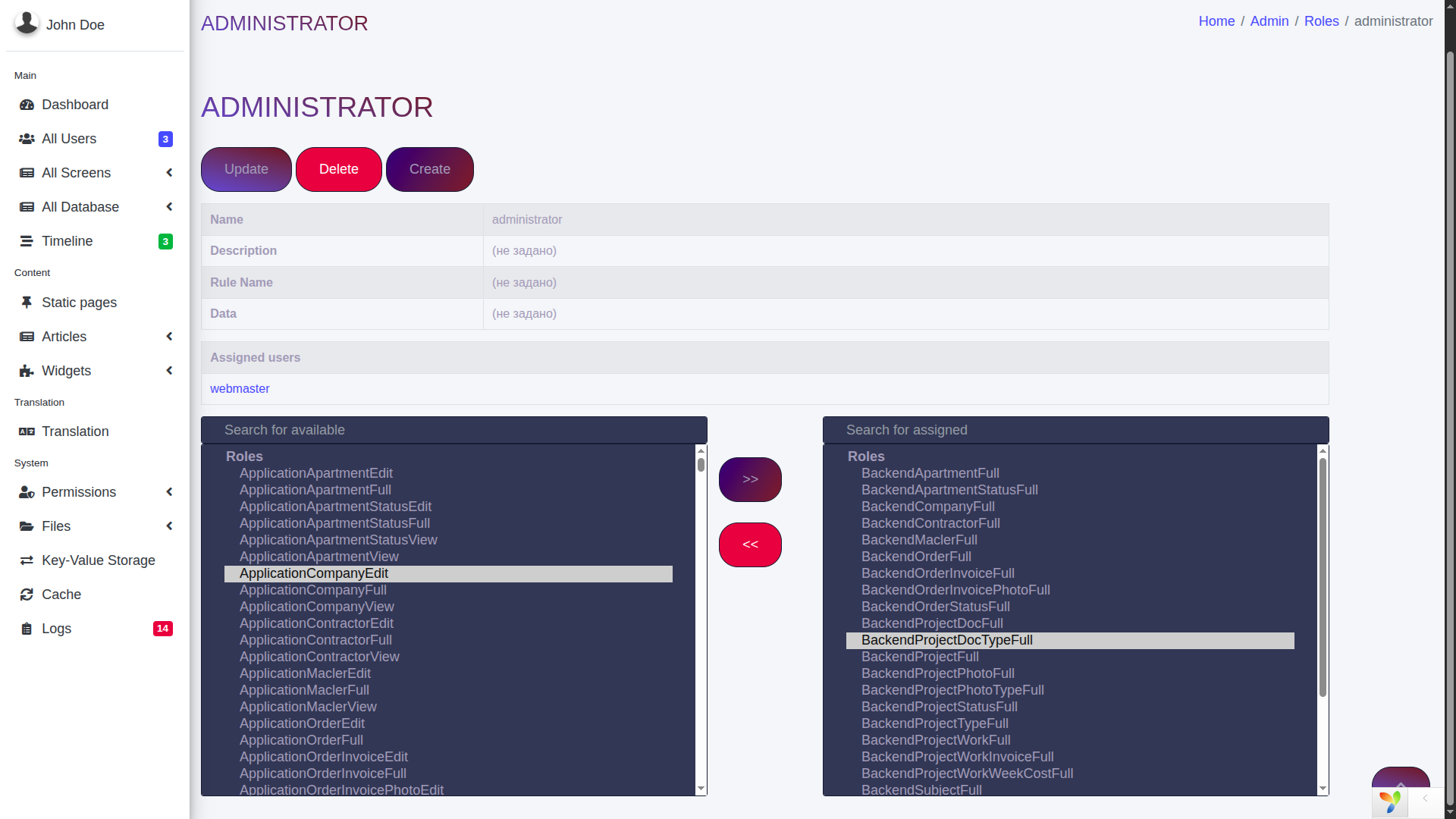
Access rights administration
For corporate software, it is critical to correctly separate access rights. We implemented a separate administrative module that makes it possible to manage access to different subsystems. This is an RBAC model (role-based access control, that is, granting rights by roles), thanks to which the accountant does not see anything unnecessary, the manager does not break the settings, and the executive retains control over the system.
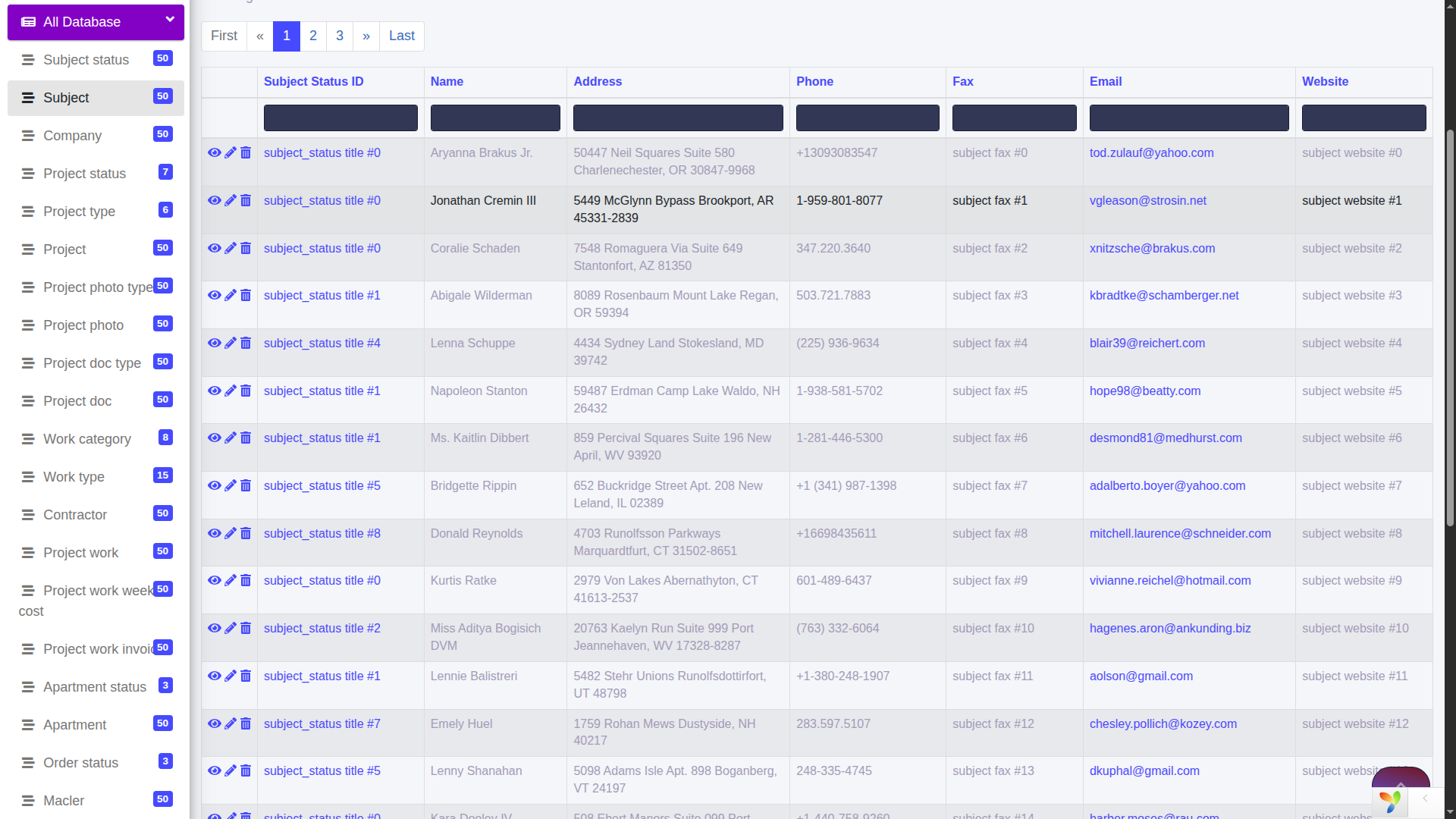
Directories, templates, and unified data
A system for managing reference tables was also implemented: entities, clients, brokers, contractors, employees, addresses, document templates, invoice templates, and other entities. This is a master data layer (a unified layer of reference data so that the company does not live in a mode where everyone has their own truth).
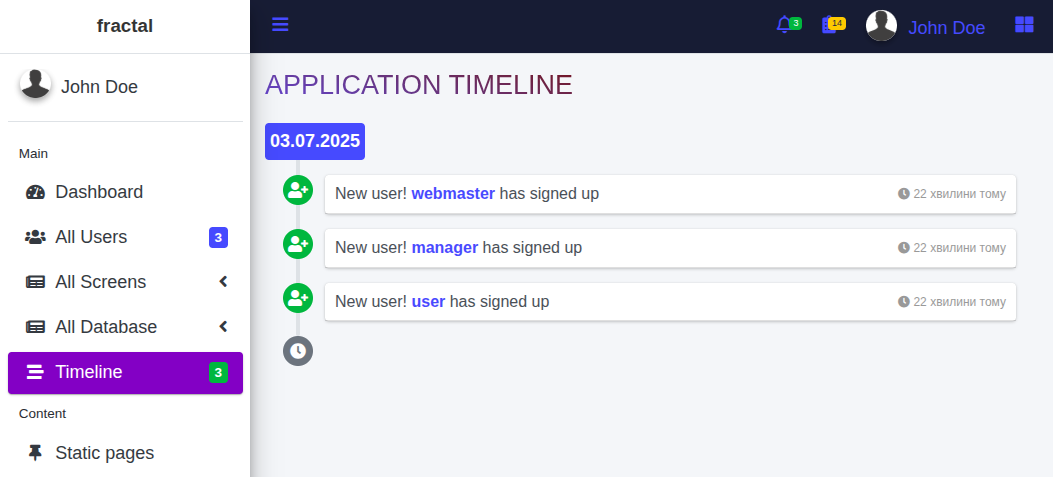
Event chronology and change control
For monitoring and audit, we added an event chronology in the system. This is an audit trail (a log of actions and changes), which helps understand who did what, when it happened, and why the business suddenly woke up in a new reality. In corporate systems, such a module is like an airplane's black box: it is nice when you do not have to think about it, but very good that it exists.
What the client received in the end
As a result, the customer received not just a set of screens, but a unified digital system for managing construction sites, contractors, documents, sales, holding structures, and employee access. Such solutions reduce the share of manual work, make processes more transparent, and allow the business to scale without a constant operational fire.
This is exactly the value of an architectural approach: first we build the logic and relationships between entities, and only then the interfaces. Otherwise, the business gets a beautiful facade without load-bearing walls. And in corporate development, this always ends the same way — expensive, nerve-racking, and with a characteristic expression on the director's face =)
More about our approach to design, architecture, work stages, and cooperation format can be seen on the landing page systems.ingello.com. It contains reviews, a description of the process, and the opportunity to submit a request for a free consultation if you need not just a contractor, but a team that knows how to break complex business systems down into layers and assemble them again without chaos.
Project technologies
Below is the stack the project was built on. We deliberately leave this block not as a dry list of trendy words, but as an explanation of why each technology was needed in a live product.
- SFL — structural fractal language. It was used for accelerated description of entities, the database, API, and part of the documentation. Simply put, this is a way to formalize a complex system faster without drowning in endless repetitive actions.
- PHP — the main server-side language of the project. A practical choice for corporate web development, where delivery speed, ecosystem maturity, and support predictability matter.
- JavaScript — the logic of browser components and client-side behavior.
- HTML — the structural layer of interfaces.
- CSS — the visual design of screens and adaptation of interfaces.
- Linux — the server operating system for stable operation of the business application.
- BASH — automation of infrastructure and system tasks.
- Docker — containerization, that is, packaging services into isolated environments for predictable launch.
- Docker Compose — orchestration of several containers inside a single application.
- PHP-FPM — a process manager for efficient handling of server requests.
- MySQL — a relational database for storing entities, relationships, statuses, and business logic.
- Nginx — a high-performance web server and proxy layer.
- Fractal — our internal framework and methodology for accelerating the development of complex systems.
- Yii2 Components — reusable components for server-side logic and accelerating the assembly of typical contours.
- Symfony Components — reliable structural building blocks for assembling large applications with a long life cycle.
This exact stack is well suited for developing corporate web systems for construction, real estate, and holding structures: it provides manageability, scalability, and technical discipline without unnecessary circus.